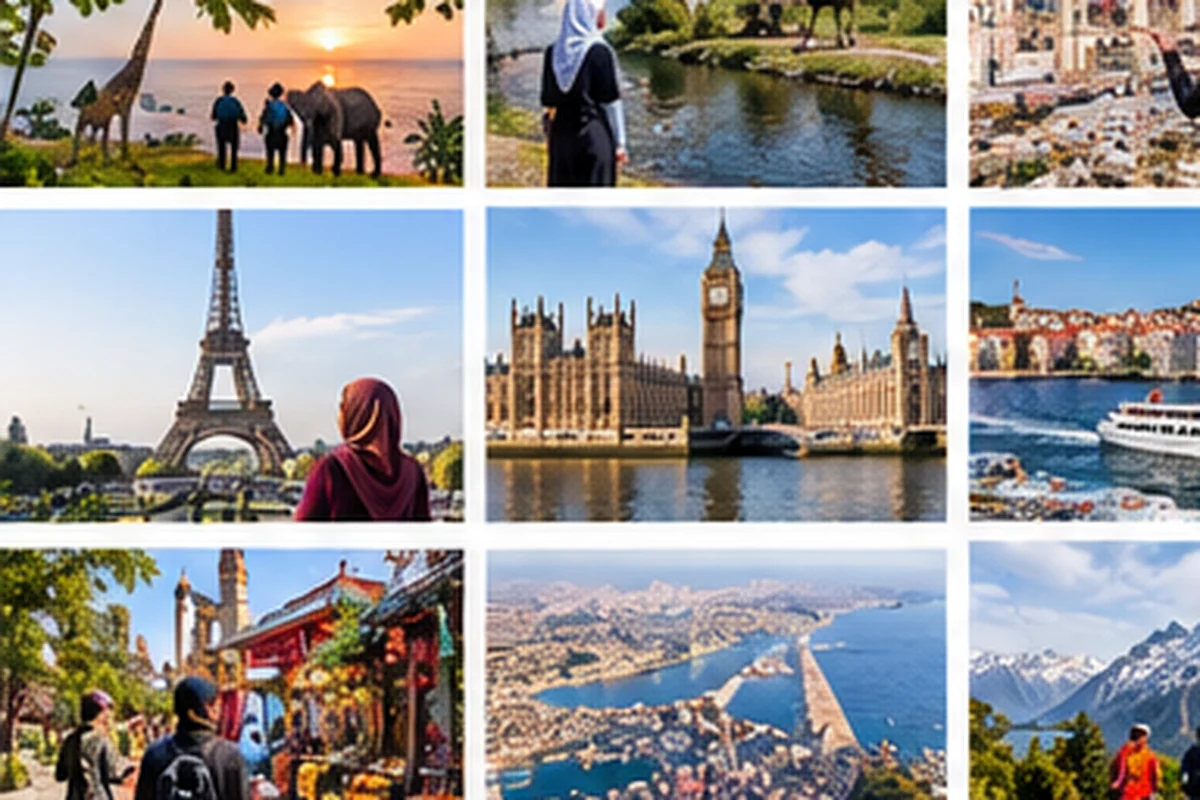
What halal gastronomy means on the road
Halal gastronomy goes beyond a plain halal meal. It means enjoying the food culture of a place, from street snacks to restaurant tasting menus, within your own dietary rules.
Those rules cover more than pork. They include how meat is slaughtered, what animal ingredients are used, and whether alcohol appears in sauces, desserts or cooking. Opinions differ on details such as shared kitchens or certain additives, and each traveller follows their own school or scholar.
Certification and what it tells you
Certification means that a body has checked a business against its own standard. Standards differ between countries and between certifiers, so a logo is useful but not universal.
The Halal Food Authority in the UK is a halal certification body for food, beverages, cosmetics and pharmaceuticals. In Singapore, MUIS, the Islamic Religious Council, runs certification schemes and links to a directory of certified eateries. In Malaysia, the official halal portal run by JAKIM includes a Verify Halal Status search.
Learning who the certifier is, and what it covers, helps you judge a logo you see abroad.
Using directories and apps
Directories save time in an unfamiliar city. Zabihah is a free community-curated guide to halal restaurants, grocers and mosques with listings in over 100 countries. Halal Gourmet Japan lists Muslim-friendly eateries, prayer spaces and mosques across Japan, searchable by region.
Remember that community listings depend on contributors. A restaurant may have changed hands or supplier since the last update. Check recent reviews and, if in doubt, phone the place.
Asking the right questions
A direct question is the best tool. Ask whether the meat is halal and who supplies it, whether pork is cooked in the same kitchen or on the same grill, and whether alcohol is used in cooking or served at the table.
Learn the key words in the local language and carry them on your phone. Allergy-style cards that list what you do not eat are useful in countries where English is rarely spoken.
A confident, detailed answer is a good sign. A hesitant yes, or no answer at all, is a reason to choose another place.
- Is the meat halal, and from which supplier?
- Is pork prepared in this kitchen?
- Is alcohol used in sauces, desserts or marinades?
- Can I see the certificate, or the supplier's name?
- Is there a vegetarian or fish option as a fallback?
Street food and markets
Street food is where local cuisine shines. In Muslim-majority countries, many stalls serve a Muslim clientele, but you should still ask about meat and ingredients. In other countries, vegetarian and fish dishes are a safer choice unless the vendor can answer clearly.
Choose busy stalls, food cooked in front of you and places where locals queue. Carry hand sanitiser and bottled water.
Restaurants and fine dining
Higher-end kitchens can often adapt. Write ahead, explain what you need and ask whether the chef can prepare a menu without pork and alcohol. A reservation note works better than a request at the table.
Some restaurants run halal menus all the time, others on request, and many do not offer them at all. Ask whether the wine pairing can be replaced and whether sauces use wine, mirin or similar ingredients.
Do not assume that a Muslim-friendly sign on a restaurant means the same as certification. Ask what it refers to.
Grocery shopping, self-catering and Ramadan
Self-catering is an option when you cannot find trusted restaurants. Look for halal butchers and grocers through directories and local mosques, and read labels for gelatine, alcohol and animal-derived additives.
During Ramadan, check opening times for suhoor and iftar. In many places restaurants prepare special menus, in others little is open before sunset. Plan your first meal, dates and water in advance.
Common mistakes and a simple routine
The usual mistakes are trusting a logo you cannot identify, forgetting about alcohol in sauces, assuming fish restaurants are free of cross-contact and relying on a single app review.
A simple routine: check a directory before you leave, save three places per city, learn the key phrases, ask on arrival and keep a fallback of fruit, nuts and packaged food. Then relax and enjoy the meal, since you have done what you can.
Frequently asked questions
How can I check whether a halal certificate is genuine?
Identify the certifying body and look at its own website. Some, such as the Malaysian halal portal run by JAKIM, offer a status search. If you cannot find the certifier, ask the restaurant for its supplier and rely on your own judgement.
Are halal directories reliable?
They are good starting points, but they depend on contributors and certifiers and can become outdated. Check recent reviews, confirm opening hours and ask the restaurant about its meat when you arrive.
What should I do in a country with few halal options?
Prepare in advance: find halal grocers and a few trusted restaurants, learn phrases for no pork and no alcohol, and keep vegetarian and fish dishes as a fallback. Carry snacks for long days.
Is Muslim-friendly the same as halal?
No. Muslim-friendly can mean pork-free menus or a prayer space without any certification, while halal normally refers to meat and ingredients meeting a standard. Ask what a venue means by the term and whether anyone certifies it.
Useful organisations and links
- ZabihahFree community-curated guide to halal restaurants, grocers and mosques with listings in over 100 countries.
- Halal Malaysia Portal (JAKIM)Official Malaysian halal portal with a Verify Halal Status search and a halal information section.
- MUIS Singapore – HalalSingapore Islamic Religious Council halal page linking to the directory of certified eateries and certification schemes.
Links to third-party organisations with no commercial tie to this site. Always check conditions with them directly.