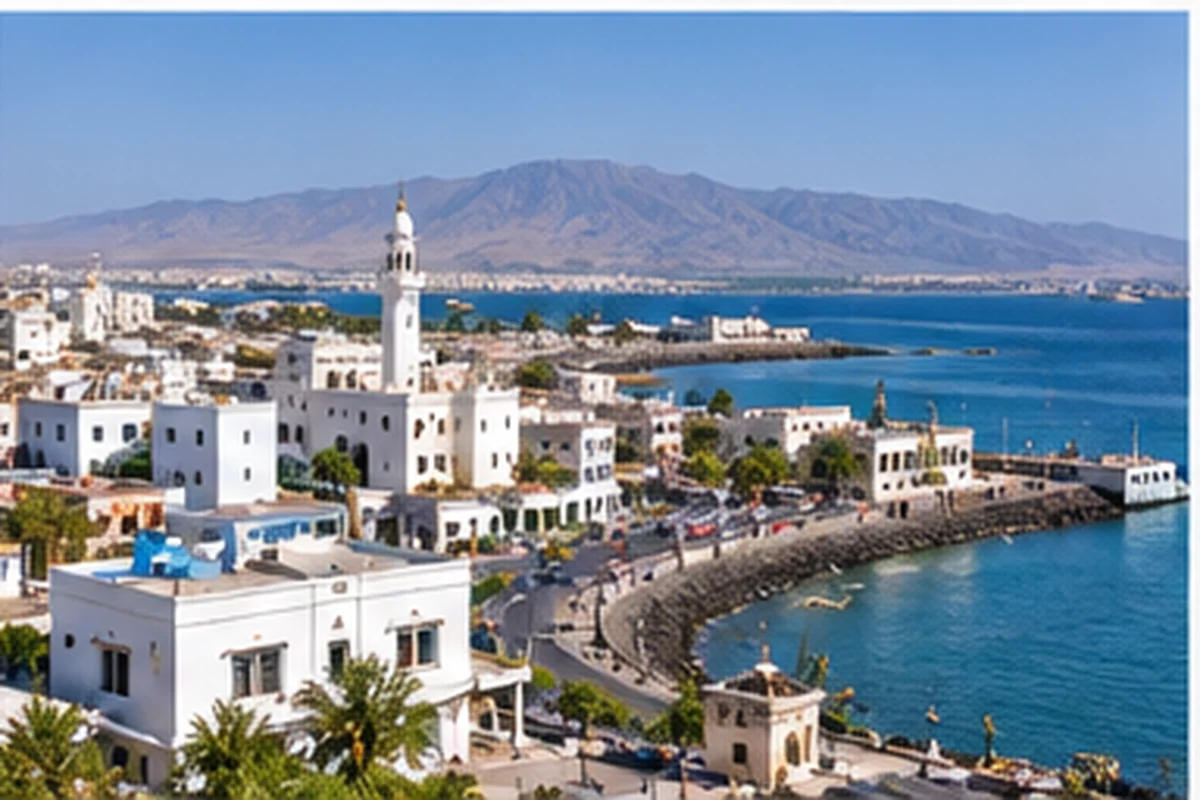
Islam in a country of islands
Most Indonesians are Muslim, and Islam shapes daily rhythms across Java, Sumatra and Sulawesi. Yet the country is plural: Bali has a Hindu majority, and Christian, Buddhist and local traditions are present in many regions.
For a Muslim visitor this means different experiences from island to island. In much of Java the call to prayer is part of the soundscape; on Bali it is quieter, though mosques and prayer rooms exist in the towns and tourist areas.
Entry and health basics
Entry rules, visa types, passport validity and customs limits are set by the Indonesian authorities and can change. Check them on the official government immigration pages and with your own embassy before booking flights.
The same goes for health advice: consult your national travel-health service about vaccinations and precautions for tropical regions. Carry travel insurance, and keep medicines in their original packaging with a note from your doctor if needed.
Mosques and prayer on the road
Mosques and small prayer rooms, called musala or mushola, are easy to find in towns, and many are open to visitors outside prayer times. Shopping malls, airports, stations and petrol stations commonly have a prayer room with wudu facilities.
Dress modestly when visiting a mosque and remove your shoes at the entrance. Women usually cover the hair, and some mosques lend wraps. Ask before taking photographs, particularly during prayer.
Understanding halal in Indonesia
Halal matters on the ground here. The Indonesian Ulema Council, MUI, publishes halal information, and its website links to LPPOM MUI, the body long associated with halal certification. Packaged food in shops often carries a halal logo.
That does not remove the need for judgement. Eating places range from certified restaurants to street stalls, and in Hindu or Christian areas pork and alcohol are openly sold. Look for logos, ask about ingredients, and lean on local advice. Scholars and travellers differ on how much assurance is enough, and each follows their own.
Dress and etiquette
Indonesians value politeness, patience and a calm tone. Greet with a slight smile, use the right hand to give and receive, and avoid pointing with a finger or raising your voice, even when something goes wrong.
Light, loose clothing suits the heat and the culture. Knees and shoulders are usually covered in towns and villages, and more conservative dress is expected in places such as Aceh, which has its own religious rules. On tourist beaches standards are looser, but modest swimwear is respected everywhere.
Getting around
Distances are large and travel takes time. Garuda Indonesia is the national airline and the main route between islands, with booking and extras on its site; request halal meals at booking and confirm them before the flight.
On Java and Sumatra, the national railway operator PT Kereta Api Indonesia runs passenger and tourist trains that are a comfortable alternative to the road. In cities, ride-hailing apps are common, and ferries link the islands.
Safety, scams and common sense
Volcanoes, earthquakes and flooding are part of life in parts of the archipelago, so follow local advice and your government's travel guidance. Traffic is the more everyday risk; helmets matter if you ride a scooter.
Common scams involve unlicensed taxis and inflated prices for souvenirs. Agree a fare or use a meter or app, bargain with good humour at markets, and keep valuables out of sight in crowded places.
Holidays, Ramadan and Eid
Public holidays follow both the Islamic and Gregorian calendars, and exact dates are set by the government each year. Check the official calendar before planning, since transport and hotels fill quickly around major holidays.
During Ramadan, daytime eating places can be quieter in Muslim-majority areas and evenings come alive with food markets. At Eid, many city residents travel to their home towns, which makes roads, trains and flights extremely busy. Book early or avoid that window.
Frequently asked questions
Is Indonesia easy for Muslim travellers?
In most regions, yes. Mosques, prayer rooms and halal food are widely available, especially on Java and Sumatra. Bali and some other areas have a different religious mix, so travellers there should plan their meals and prayer spaces a little more carefully.
How do I recognise halal food in Indonesia?
Look for the halal logo on packaged goods and ask restaurants about ingredients. MUI and LPPOM MUI are the bodies associated with halal certification. Street stalls rarely display certificates, so many travellers rely on local recommendations and busy, trusted places.
What should I wear?
Light, loose clothing that covers the knees and shoulders is a safe choice in most towns, with a headscarf for women entering mosques. Conservative areas such as Aceh expect more covering, while tourist beaches are more relaxed.
How do I travel between islands and cities?
Domestic flights, notably with Garuda Indonesia, cover long distances, while trains on Java and Sumatra are run by PT Kereta Api Indonesia. Ferries connect many islands. Always check schedules on the operators' own sites, and book early for holiday periods.
Useful organisations and links
- Majelis Ulama Indonesia (MUI)Indonesian Ulema Council: halal information, with links to LPPOM MUI, the halal certification body. Content is mostly in Indonesian.
- PT Kereta Api IndonesiaNational railway operator for passenger and tourist trains across Java and Sumatra; the site is mainly in Indonesian.
Links to third-party organisations with no commercial tie to this site. Always check conditions with them directly.