Before you travel
Entry and visa rules depend on your nationality and change from time to time, so check the official Swedish government and immigration pages before booking. Visit Sweden, the official tourism site, helps with ideas on where to go and where to stay.
Sweden is a modern, card-based society, and small purchases are often made by card or phone. Confirm payment habits in the place you are going.
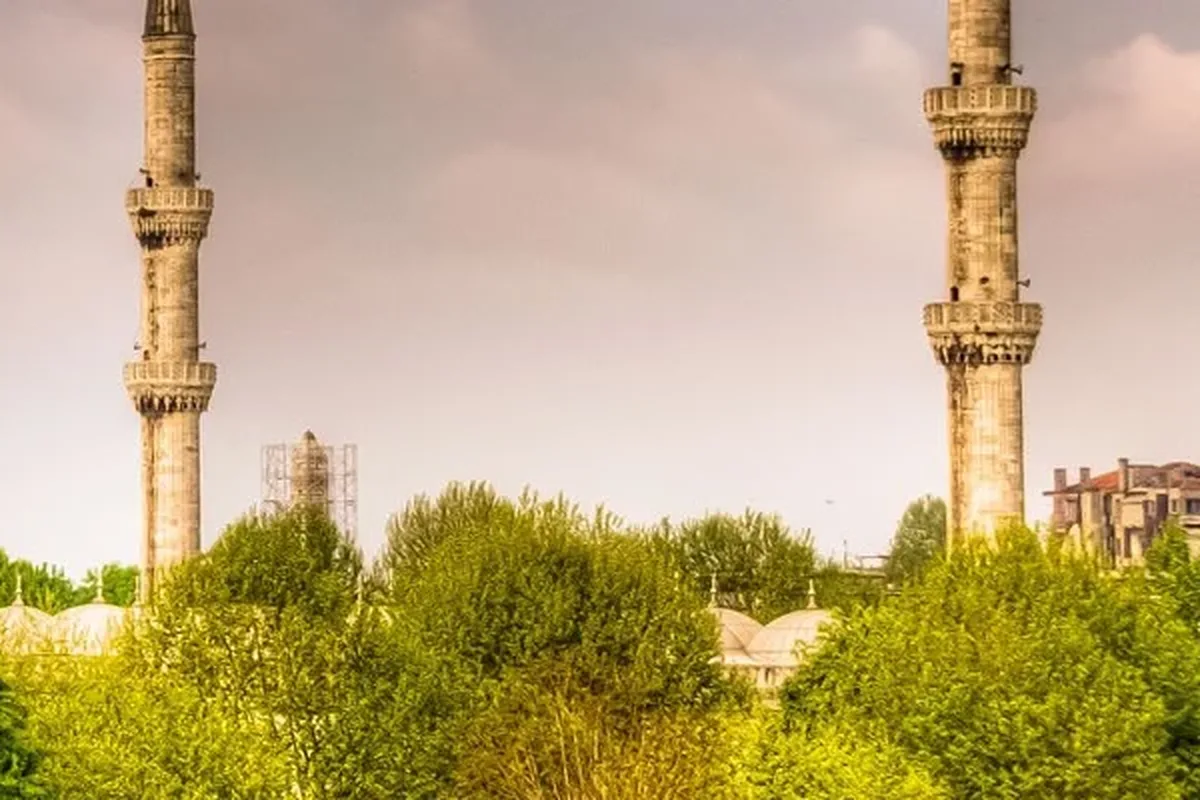
Muslim communities and the mosques
Sweden has a significant Muslim population, concentrated in the larger cities such as Stockholm, Gothenburg and Malmö. Immigrants from many countries have brought varied traditions.
Svenska Islamiska Samfundet, a Stockholm-based association, runs congregations and publishes prayer times, along with education and counselling for Muslims. Local mosques and associations often welcome visitors for Friday prayer; check their information in advance.
Mosque visits are best arranged in advance, and women should ask about the women's section and any dress expectations before arriving.
Prayer in a land of long and short days
Daylight changes enormously in Sweden. In summer, the sun sets very late in the north, and in winter days are short, so prayer times move a lot across the year and by latitude.
Use a prayer-time source set to your exact city, and ask a local mosque how it handles very long days if you stay in the north. Scholars give different answers on this, so follow the guidance you normally follow.
Halal food
In larger cities you will find halal butchers, grocery shops and restaurants, particularly in districts with many Muslim residents. Supermarkets increasingly stock halal-labelled meat, though availability differs by shop.
Elsewhere in the country, ask in advance or plan to self-cater with vegetarian and fish options. Check labels for gelatine and alcohol, and ask restaurants about the meat they use. Remember that standards for halal vary among scholars and certifiers.
Many Swedish restaurants and cafés list allergens and ingredients on menus, which helps when you need to avoid pork or alcohol. Fish, vegetarian dishes and bakeries are dependable choices when no halal meat is on offer.
Dress, etiquette and daily life
There is no dress code, so modest clothing is a personal choice, and women who wear a headscarf will be a familiar sight in cities. Swedes value punctuality, quiet public spaces and queuing.
Shaking hands is common at a first meeting; if you prefer not to, a polite word and a hand on the heart is generally understood. Keep to the shared rules in swimming pools and saunas, which usually require showering first.
Getting around
Stockholm Arlanda is the main international airport, and Swedavia's site gives flight information and transport links to the city. Trains, buses and ferries connect the main cities and the coast.
Hotels are plentiful. Large chains such as Scandic and Strawberry's Comfort, Quality and Clarion brands cover many towns, and the chains publish family-friendly information. Confirm prayer-space and food needs with each property.
Before you leave your country, check whether your hotel has a quiet corner and whether its restaurant lists ingredients, then decide whether you would rather cook in an apartment.
Seasons, Ramadan and what to see
Summer is bright and mild, and winter is dark and cold. When Ramadan falls in summer, fasting hours in the north can be very long, so many travellers adjust their plans or follow guidance from their local mosque.
In Stockholm, the Vasa Museum, which houses a 17th-century warship, is open daily and children aged up to 18 enter free; large bags are not allowed, so travel light.
Frequently asked questions
Is Sweden suitable for Muslim travellers?
Yes, particularly in larger cities with established communities, mosques and halal shops. Sweden is secular, so alcohol and pork are common in general venues. Plan food and prayer in advance, especially outside the main cities.
How do I find prayer times in Sweden?
Use a prayer-time source set to your exact location, or check the website of a local mosque or association such as Svenska Islamiska Samfundet. Times shift a great deal between seasons and from south to north.
Is halal food easy to find?
In Stockholm, Gothenburg, Malmö and other larger towns, yes. In small towns, choices are fewer, so check ahead, read labels and consider vegetarian or fish dishes. Ask restaurants about their meat and any alcohol used in cooking.
How does fasting work with Sweden's long summer days?
When Ramadan falls in summer, fasts can be very long in the north. Scholars and communities offer different guidance, so follow your own scholar or ask a local mosque how residents handle it.
Useful organisations and links
- Visit SwedenSweden's official tourism site, with ideas on where to go, what to do and where to stay.
- Svenska Islamiska SamfundetStockholm-based Islamic association with congregations, prayer times, education and counselling (in Swedish).
- Swedavia Stockholm Arlanda AirportOfficial site for Arlanda airport with flight information, transport options, shopping and dining.
Links to third-party organisations with no commercial tie to this site. Always check conditions with them directly.