Entry and practical basics
Malta is a member of the European Union and part of the Schengen area, and it uses the euro. Entry rules still depend on your passport, so check the official page of the Maltese authorities or your own foreign ministry rather than relying on general summaries.
Health care, insurance and any travel authorisation requirements also change from time to time. Confirm them shortly before departure.
Islam and Muslim life in Malta
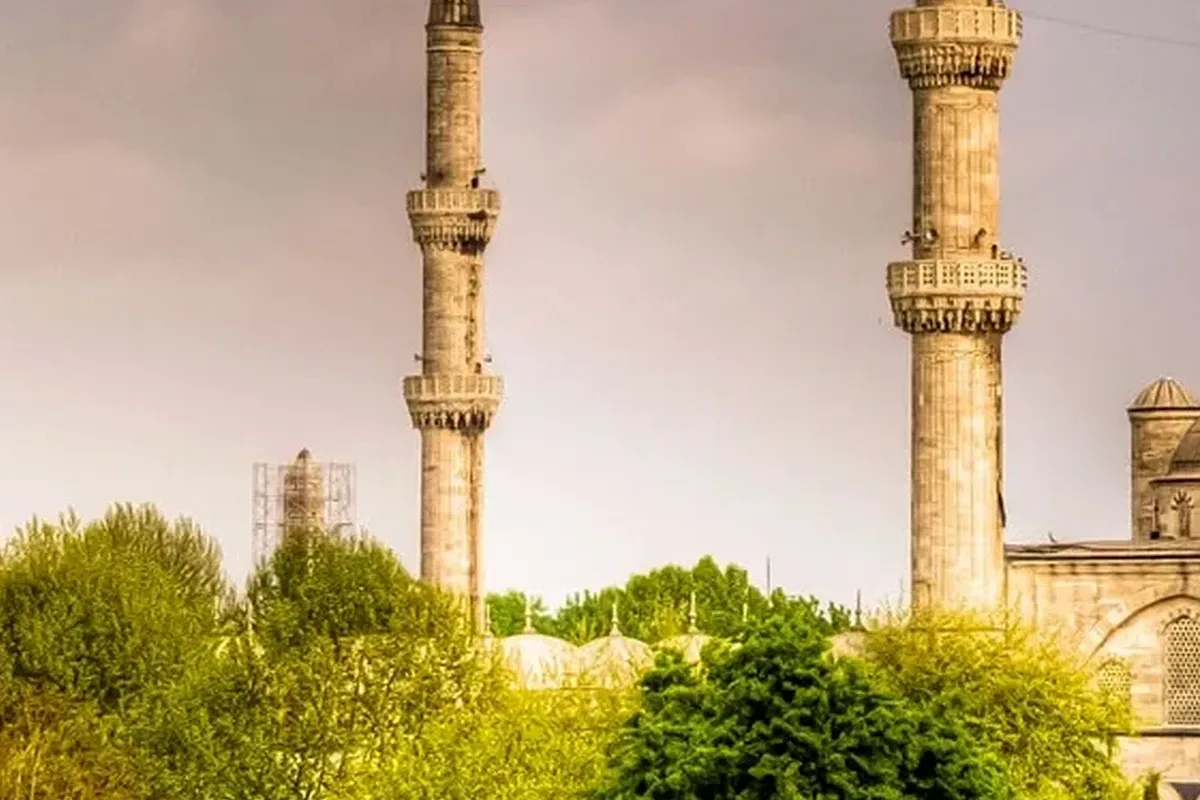
Malta’s religious landscape is mostly Catholic, with a small Muslim community that has grown through migration and study. The best-known place of worship is the Mariam Al-Batool Mosque in Paola, a landmark of the community.
The Maltese language itself is a Semitic language with Arabic roots, a fact that surprises many visitors. The official VisitMalta homepage carries no dedicated section on mosques or halal food, so rely on community sources and your own research for prayer logistics.
Halal food and how to read menus
Malta’s cuisine uses pork and wine widely, and halal restaurants are fewer than in Muslim-majority countries. Seafood, vegetable dishes and many Mediterranean staples are easy options, but check the cooking method and any alcohol in sauces.
Look for restaurants that state their meat source clearly, and ask directly. A restaurant owned by a Muslim family is not by itself proof of halal slaughter, nor is a halal sign always a certification. Scholars and travellers differ on how strict to be, so follow your own standard.
Prayer, mosques and daily timing
Prayer times follow the usual astronomical calculations, and a phone app will give the times for Valletta. Daylight in summer is long, so Fajr is early and Isha late, which can stretch a full sightseeing day.
On busy days, plan stops near a quiet corner such as a hotel room, a park bench away from crowds or a mosque. Carry a small mat and a compass app, since public prayer spaces in tourist areas are rare.
Dress and etiquette
Dress in Malta is relaxed and varies with the season, but visitors to churches are asked to cover their shoulders and knees, a convention that many Muslim visitors already follow. Beach clothing is not suited to town centres.
Maltese people are generally friendly and conversational, and a modest, polite approach is well received. Women wearing hijab report few difficulties in everyday life, but common sense in crowded nightlife areas applies as anywhere.
Heritage worth the trip
Heritage Malta manages more than 90 museums and landmarks, including seven World Heritage Sites, among them the prehistoric temples, the Grand Master’s Palace and Fort St Angelo. These offer a window into the many cultures that have shaped the islands, including the Arab period.
Valletta’s fortifications, the old capital Mdina and the harbours of the south are all easy to explore on foot. Opening hours and ticketing change, so check the official pages.
Getting around Malta and Gozo
Buses cover most of Malta, taxis and ride-hailing apps fill the gaps and driving is on the left. A ferry links Malta to Gozo, and Visit Gozo lists attractions such as the Ġgantija Temples, the Cittadella and the Ta’ Pinu Basilica.
Allow extra time on summer weekends when roads and the ferry can be busy, and avoid scheduling a tight prayer time against a crossing.
Safety, holidays and Ramadan
Malta is generally regarded as a safe destination, though pickpocketing and overcharging can occur around busy tourist spots and nightlife areas. Use the usual precautions, keep valuables close and agree on taxi fares before starting.
Ramadan and Eid are not national holidays, so shops and restaurants keep normal hours. Fasting visitors should plan iftar in advance, as halal options may be few, and consider the long summer fast if Ramadan falls in a hot season.
Frequently asked questions
Is there a mosque in Malta?
Yes. The Mariam Al-Batool Mosque in Paola is the best-known one. Because the community is small, prayer spaces elsewhere are limited, so check prayer times and plan where you will pray each day.
Is halal food easy to find in Malta?
It exists but is limited compared with Muslim-majority countries. Seafood and vegetarian dishes help, and asking restaurants about meat sources is wise. The official tourism homepage has no halal section, so verify each place.
Do Malta’s tourism sites cover halal travel?
The official VisitMalta homepage carries no dedicated information on halal food or mosques. It is still useful for destinations, events and practical information, so combine it with community and restaurant sources.
Does this site book travel to Malta?
No. This independent information portal does not sell trips, take bookings or issue halal certification. It offers practical information only, so contact hotels, airlines or operators directly and confirm their policies yourself.
Useful organisations and links
- Visit MaltaOfficial tourism site for Malta, Gozo and Comino with destination, food and practical information; no halal section.
- Heritage MaltaAgency running more than 90 museums and sites, including World Heritage temples and Fort St Angelo.
Links to third-party organisations with no commercial tie to this site. Always check conditions with them directly.