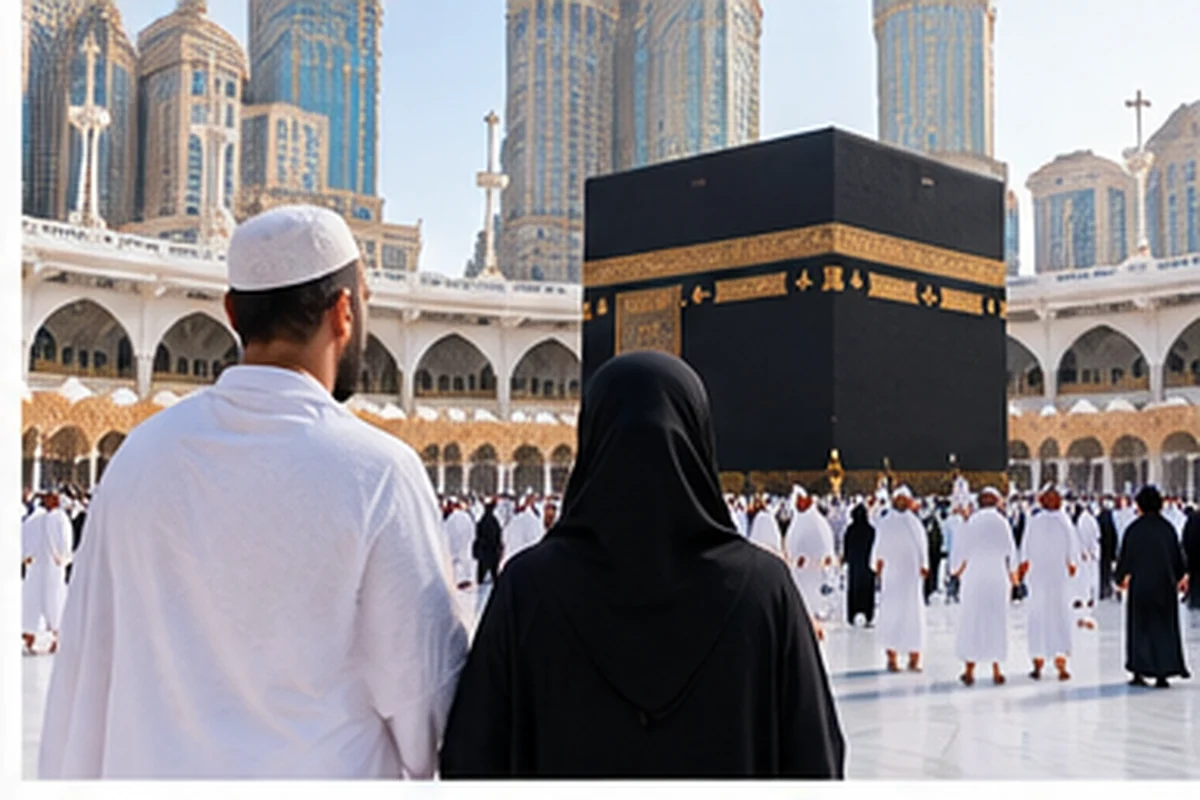
Values that point the same way
Many Muslims describe humans as stewards of the earth, asked to avoid waste and corruption, to be moderate and to treat neighbours well. Those ideas sit comfortably with what responsible tourism asks of travellers.
You do not need a special label to act on them. Small decisions about water, waste, transport and spending add up across a trip.
A short pre-trip reflection on what you want from the journey can guide dozens of small choices, from the length of the trip to the places you pick.
What responsible tourism means
Responsible tourism aims to reduce harm to the environment and to leave benefits in the places visited, including fair incomes for local people. Ecotourism focuses on nature areas and on protecting them.
The two overlap but are not identical, and both can be claimed loosely, so look for evidence rather than slogans.
A simple test is to ask who benefits from your money and what happens to the place when many visitors arrive.
Standards and certification
The Global Sustainable Tourism Council sets global sustainable tourism standards and runs programmes for destinations, training and accreditation. Its criteria give a reference for what credible claims look like.
The International Ecotourism Society, founded in 1990, says its network spans members in over 190 countries and offers guidelines, training and certification resources. Both organisations are a good place to learn how to question an operator's green claims.
Standards are a tool, not a guarantee. Ask an operator which standard it follows, whether an independent body audits it and how recently it was checked.
Keep in mind that neither body is a Muslim-specific scheme, so you will still need to apply your own judgement on halal food, prayer access and modest facilities, and to ask operators about each of them directly.
Choosing lodging and operators
Ask hotels about energy and water use, waste handling, local hiring and food sourcing. Smaller guesthouses and community-run stays often keep more of the income in the area.
Specialist agencies exist too. Responsible Travel, for example, says it sells around 6,000 holidays that support communities and nature, though as with any seller you should read the terms and check what is included.
Group size matters too. Small groups put less pressure on fragile places and allow for more contact with local people.
- Ask for specifics, not just a green logo.
- Prefer local guides and family-run places.
- Check cancellation terms before you pay.
Everyday habits on the road
Carry a refillable bottle, decline unnecessary plastic and take short showers. Reuse towels, switch off lights and air conditioning when you leave.
Walking, cycling and public transport reduce emissions and show you more of a place. When flying is unavoidable, consider fewer, longer trips over many short ones.
If you stay in one place for longer, you also reduce the transport emissions per day of travel and see more of daily life.
Food, waste and moderation
Islamic teaching discourages wastefulness, which is a useful principle at a buffet. Take what you will eat, share portions and avoid leaving food on the plate.
Buying from local markets and small restaurants supports the community and often gives better insight into regional cuisine. Check halal arrangements as you would anywhere.
Share leftovers with others when appropriate, and ask the kitchen to serve smaller portions for children.
Choosing seasonal, local dishes also reduces food miles and supports small producers, which fits well with the idea of taking only what you need.
Respect for hosts and heritage
Learn a few words of the local language, dress modestly where expected and ask before photographing people. Visit places of worship in the manner their communities request, whatever their faith.
Do not remove stones, shells, plants or antiquities, and stay on marked paths in fragile areas. Leaving a place as you found it is simple and widely appreciated.
Respect also means honest bargaining: pay a fair price for crafts and services, and avoid pushing it so low that the seller loses out.
Giving and sharing
Some travellers add charitable giving to their plans. Islamic Relief, a Muslim charity, lists climate-crisis adaptation and sustainable development among its approaches and also offers Qurbani giving.
Giving is a personal decision, and scholars give guidance on obligations such as zakat. Check a charity's accounts and aims, and consider supporting local projects near the places you visit.
Remember that responsible travel is a direction rather than a perfect state. Doing a little better each trip is worth more than abandoning the effort.
Frequently asked questions
Is there an Islamic ecotourism certification?
No Muslim-specific eco-tourism body was verified for this guide. International organisations such as the Global Sustainable Tourism Council and the International Ecotourism Society set or promote standards, and you can use them to judge claims.
How can I avoid greenwashing?
Ask for concrete details about energy, water, waste, local employment and food sourcing, and look for recognised standards. Vague phrases or a leaf logo alone prove little. Read independent reviews and compare operators.
Does responsible travel cost more?
Sometimes, but not always. Staying in family-run places, travelling slowly, using public transport and eating locally can cost less. Prices vary, so compare options and read what each package includes.
Does this site sell responsible tours?
No. This portal is independent and only provides information. It does not sell trips, take bookings or certify tourism businesses, so contact operators directly and review their terms and credentials.
Useful organisations and links
- Global Sustainable Tourism CouncilInternational body setting sustainable tourism standards, with programmes for destinations, training and accreditation.
- The International Ecotourism Society (TIES)Ecotourism pioneer, founded in 1990, offering guidelines, training and certification resources.
- Islamic ReliefMuslim charity with sustainable-development and climate-adaptation programmes and Qurbani giving.
Links to third-party organisations with no commercial tie to this site. Always check conditions with them directly.