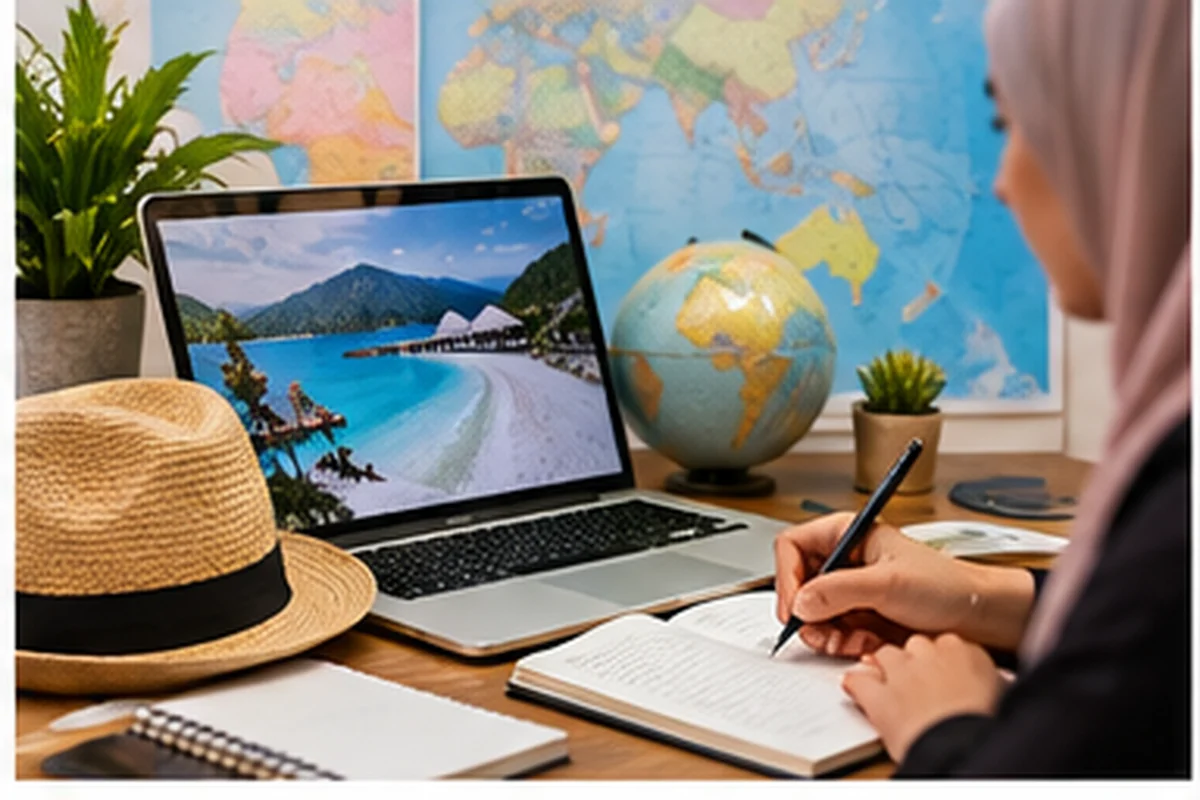
Begin with official advisories
Governments publish up-to-date advice for travellers, and it is the most reliable place to begin. GOV.UK foreign travel advice covers 226 countries and territories, and Australia's Smartraveller issues advisories with risk levels, including do-not-travel warnings for conflict zones.
The US State Department's international travel page offers destination information and advisories, and the Government of Canada runs a travel site with advisories and consular services. Reading two or three of them gives a balanced picture.
Registering your trip with your own government's consular service, where one exists, can also help the authorities reach you in a crisis.
How to read an advisory
Look at the overall level first, then at the regional detail, because a warning often applies to one border area rather than a whole country. Read the sections on crime, transport, health and local laws.
Advisories are written from each government's point of view, so compare them and note differences. Check again just before departure, since situations change quickly.
Pay attention to the date of the last update on each page. An advisory that has not been revised recently may not reflect conditions on the ground.
Discrimination and hate incidents
Muslim travellers, like others, may sometimes meet hostility, particularly in places where Islam is unfamiliar. Most people are courteous, but it is wise to know where to turn if something happens.
In the United Kingdom, Tell MAMA records and monitors anti-Muslim incidents and offers reporting by phone, SMS, WhatsApp, email and app. It is not a replacement for the police: in a UK emergency, call 999.
Keep notes of what happened, including time, place, witnesses and any photographs, since organisations and police will ask for details.
Women, families and visible faith
Women who wear the hijab or abaya may attract attention in some places, positive or negative. Decide in advance how you wish to dress, check local norms and keep a plan for situations in which you feel uncomfortable.
Families can agree a meeting point, carry a card with the hotel address in the local language and keep children close in busy places. Hotels in established tourist areas are usually the easiest places to ask for help.
If you travel with elderly relatives or young children, plan slower days and shorter walking distances so that nobody is tired or distracted in crowded streets.
- Share your itinerary with someone at home.
- Save the hotel address in the local language.
- Agree a meeting point in crowded places.
Scams and everyday crime
Tourist hotspots attract pickpockets and scammers whatever the traveller's faith. Common tricks include taxi overcharging, fake tickets and so-called guides who demand payment afterwards.
Use licensed taxis or trusted apps, agree prices beforehand, keep valuables out of sight and carry only what you need. Photocopies of documents in your luggage help if something is lost.
Be cautious with offers from strangers and with unsolicited invitations to private places, whatever the setting.
Pilgrimage and large crowds
Pilgrimages and religious festivals bring very large crowds, heat and complicated logistics. Follow the instructions of the authorities and your authorised operator, drink water, rest and keep your group together.
Check the official health and entry guidance for the country concerned before travelling, as requirements can change from one season to the next.
If you carry religious items or books through customs, check the rules of the destination country, as some restrict specific materials.
Health, money and communication
Carry insurance details, essential medicines and the contact for your embassy. Keep a small amount of local cash and a backup card in a separate place.
Make sure your phone can work abroad, and note the local emergency numbers. A paper copy of key contacts is useful when batteries fail.
Keep copies of your insurance policy number and the emergency assistance line in your phone and on paper.
If something goes wrong
Contact local emergency services first if you are in danger. Then inform your embassy or consulate, your insurer and your hotel, and keep records, photos and receipts.
If you experience an incident motivated by hostility, report it to the police and to a dedicated reporting organisation where one exists. Written records make later follow-up easier.
Afterwards, share what you learned with others. Honest accounts help future travellers prepare.
Frequently asked questions
Where do I find official safety advice?
Use government travel pages. GOV.UK covers 226 countries and territories, Smartraveller provides Australian advisories with risk levels, and the US State Department and Government of Canada run similar services. Compare several and check them again before departure.
Are Muslim travellers at special risk?
Most trips are trouble-free, but attitudes vary by place and context. Research the destination, know the local rules and keep emergency contacts. Official advisories describe country-specific risks that affect every traveller, including those linked to conflict.
Who can I contact about anti-Muslim incidents?
In the UK, Tell MAMA records anti-Muslim incidents and supports victims, though it does not replace the police, and 999 is the emergency number. In other countries, look for local reporting bodies and contact the police and your embassy.
Does this site provide security services?
No. This portal is independent and offers general information only. It does not sell trips, take bookings or give security assessments, so rely on official government advisories and local authorities for current conditions.
Useful organisations and links
- GOV.UK Foreign travel adviceUK government safety and entry advice for 226 destinations.
- Smartraveller (Australian Government)Australian official travel advisories with risk levels and destination warnings.
- Tell MAMAUK service recording anti-Muslim incidents, offering victim support, casework and a reporting line and app.
Links to third-party organisations with no commercial tie to this site. Always check conditions with them directly.