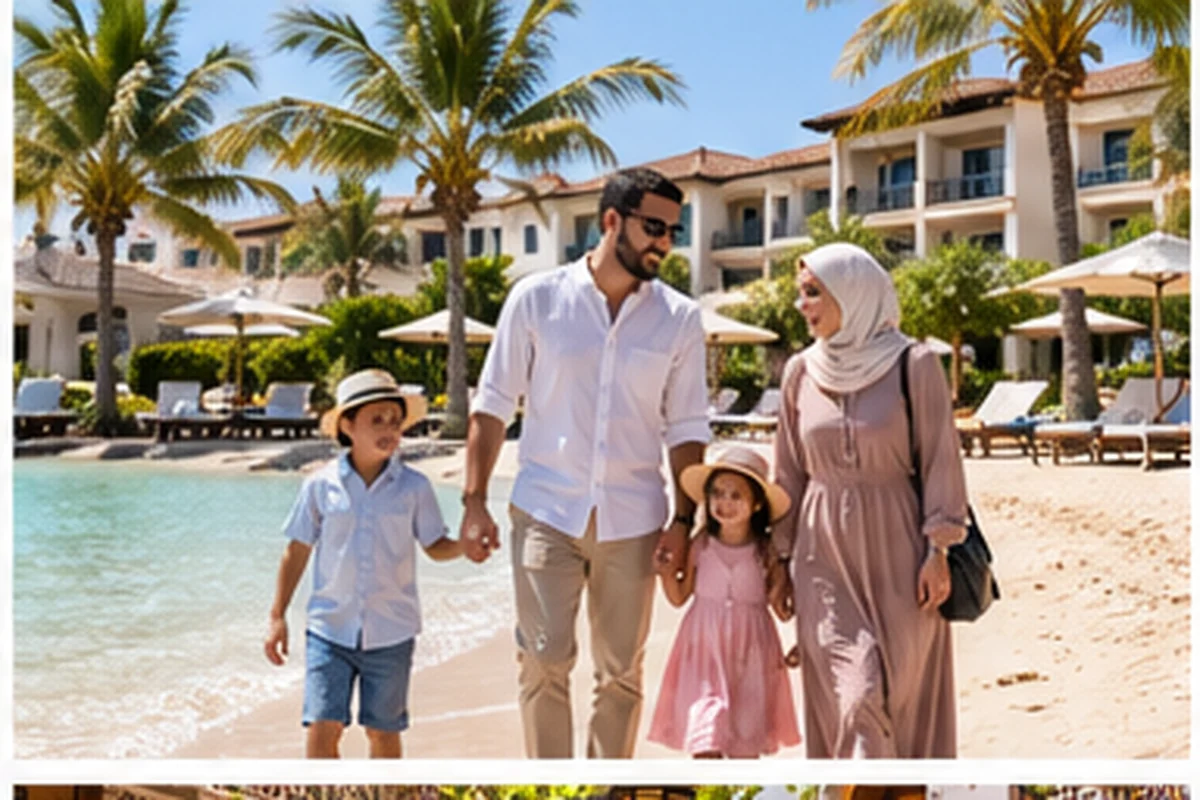
Why Andalusia draws Muslim travellers
Muslim rule shaped southern Spain for centuries, and its mark is still easy to read in the streets: horseshoe arches, courtyards with fountains, tilework, and Arabic words buried in Spanish place names. Many visitors come for that story first and for the sunshine second.
The region is large and varied. It has eight provinces, a long Atlantic and Mediterranean coastline, white hill towns and snow-capped peaks inland. The official regional tourism site, Andalucía's English-language portal, is a good place to see how the provinces fit together before choosing a base.
Four cities that anchor most itineraries
Granada, Córdoba and Seville form the classic triangle, and Málaga is the usual arrival point by air. Each has a different mood, so there is little reason to rush all of them into one long weekend.
Granada
The Alhambra and Generalife sit above the old Albayzín quarter, whose lanes climb the opposite hill. Entry is managed by the Patronato de la Alhambra y Generalife, which runs its own ticketing site. Book there rather than through resellers, and choose a visit type that suits the time you have.
Córdoba
The Mezquita-Catedral is a World Heritage monument and a working cathedral, managed by its Cathedral Chapter. Opening hours and visitor rules are published on its official site, and it is worth reading them in advance, including what is and is not permitted inside.
Seville and Málaga
Seville brings the Real Alcázar, the Giralda tower and a lively old centre. Málaga works as a seaside city break and as the gateway to the Costa del Sol; its airport publishes access details by bus, train, taxi and car.
Following the Al-Andalus routes
El legado andalusí, a public foundation of the Junta de Andalucía, maintains the Al-Andalus routes, recognised since 1997 as a Council of Europe European Cultural Itinerary. Its website suggests ways to explore them by car, on foot or by bike.
The foundation is a heritage body, not a tour seller, so treat it as inspiration and background reading. A route built around two or three towns, with time to sit in a plaza, usually feels better than a checklist of monuments.
Halal food in a region built on ham and wine
Jamón and cured pork products are woven into Andalusian cooking, and alcohol is part of the restaurant routine. That does not make eating well impossible, but it does mean looking before ordering. Fish, seafood, vegetable dishes, salads, eggs and many desserts are widely available, yet stocks, fryers and broths can still contain pork or alcohol.
Instituto Halal, a certification body with an office in Córdoba, reports more than 600 certified companies and uses the halal guarantee mark of the Junta Islámica. Looking for that mark on packaged food is a practical start. Whether a given restaurant or butcher meets your own standard remains a personal decision, and scholars and travellers differ on how strict to be in non-Muslim settings.
Self-catering apartments make things simpler for families.
Prayer and everyday logistics
Prayer times follow the sun, so the gap between Fajr and Isha is very wide in a southern Spanish summer. A phone app with local times is more reliable than guesswork. Spaces for prayer are rarely signposted in public buildings, and the Málaga airport page checked for this guide does not mention a prayer room.
In practice, many visitors pray in the hotel room, in a quiet corner of a park, or at a mosque in the larger cities; Granada has one in the Albayzín. Pack a light prayer mat and a small compass or qibla app, and ask your accommodation about quiet spaces and about the direction of Makkah.
Dress is relaxed and no special code applies outside churches and cathedrals, where covered shoulders are expected. Summer heat in Córdoba and Seville is serious, so light long sleeves suit modesty and sun protection at once.
Hotels and where to stay
No hotel mentioned in the research for this page carries a verified halal or alcohol-free offer, and none should be assumed to. The Hotel Alhambra Palace in Granada, a 126-room hotel opened in 1909 beside the Alhambra, states neither a halal nor an alcohol policy online, so travellers who care should ask directly before booking.
Useful questions are short: is halal meat available, is pork used in breakfast dishes, can the room face Makkah, is there a quiet space. Written replies are better than a phone promise.
A sample week
Land in Málaga, spend one night on the coast, then travel inland to Granada for two nights so the Alhambra visit and the Albayzín evening do not feel hurried. Continue to Córdoba for one night, then Seville for two, leaving a final day for the return by train or road.
Slow the plan down in July and August, when midday heat makes museums and shaded patios more sensible than long walks. Spring and autumn are gentler for walking and photography, though popular monuments still need advance tickets. During Ramadan, remember that many restaurants open late, so shop for suhoor and iftar supplies early.
Frequently asked questions
Is Andalusia easy for Muslim travellers?
It is welcoming and well organised for visitors, with a long Islamic history that draws many travellers. The main challenges are food, because pork and alcohol are common, and finding prayer space, so a little preparation goes a long way.
How can I find halal food in Andalusia?
Look for the Junta Islámica halal mark on packaged products, ask restaurants about ingredients and cooking fat, and favour fish, vegetarian and seafood dishes when unsure. Larger cities have more choice, and self-catering often works best for families.
Can I pray inside the Mezquita of Córdoba?
The building is a working cathedral, and its Cathedral Chapter sets the visitor rules. Check the official site for current conditions before you go, and plan to pray elsewhere in the city if prayer inside is not permitted.
When is the best time to visit?
Spring and autumn are milder for sightseeing, while summer is very hot inland. Winter is quieter, and Ramadan can fall in any season, so check the dates against your own plans and the opening times of attractions.
Useful organisations and links
- Andalucía Official Tourism WebsiteOfficial regional guide covering the eight provinces, monuments, routes, events and practical information such as documents and healthcare.
- El legado andalusíPublic foundation behind the Al-Andalus cultural routes, with suggestions for travelling them by car, on foot or by bike.
- Instituto HalalHalal certification body based in Córdoba; useful for understanding certification marks and finding certified companies.
Links to third-party organisations with no commercial tie to this site. Always check conditions with them directly.