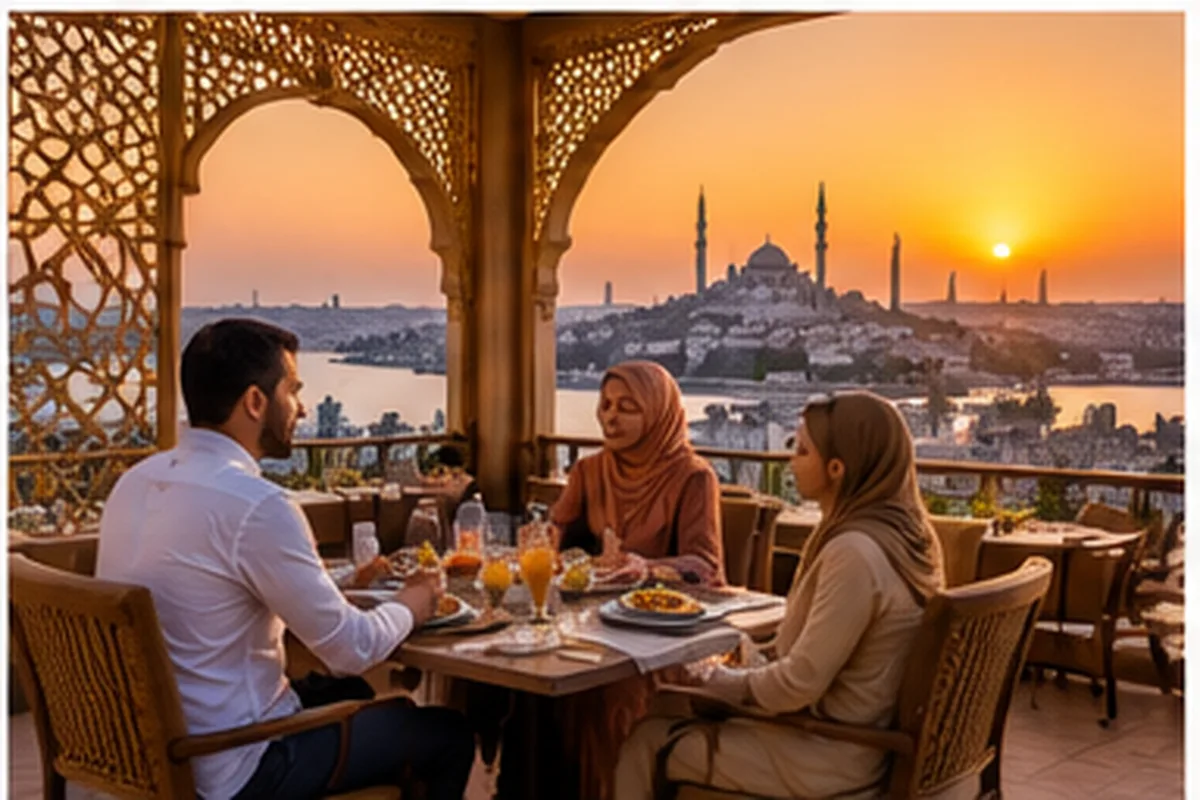
What to expect as a Muslim visitor
Colombia is a Spanish-speaking, predominantly Catholic country, and Islam is a minority faith. Visitors in Bogotá, Medellín or Cartagena will rarely meet public prayer facilities or halal signage, but they will meet curiosity and generally friendly service.
Learning a few Spanish phrases for food and prayer needs helps a great deal, because English is not widely spoken outside tourist hotels and some restaurants.
Muslim communities and mosques
The best-known Muslim community lives in Maicao, a trading town in La Guajira near the Venezuelan border, where a large mosque is often described as one of the biggest in Latin America. Smaller communities and prayer rooms exist in Bogotá and other cities, but they are not signposted for tourists.
If you want to pray in congregation, contact the community in advance rather than arriving unannounced, and check for visiting hours. Maicao is far from the usual tourist circuit and conditions there vary, so read current travel advice before planning a visit.
Halal certification: what is actually known
Colombia has a halal export story. The foreign ministry reported that the Centro Islámico de Maicao issued the halal certificate for Colombian beef shipped to Egypt in 2011, based on Islamic slaughter.
That is a trade fact, not a promise about restaurants. A certificate for exported meat does not mean the steak on a menu in Cartagena is halal, so travellers still need to ask, and to decide what level of assurance they accept.
Eating in practice
Colombian food leans on rice, beans, plantain, arepas, soups and fresh fruit, with pork widespread in dishes such as chicharrón and in stews and bean dishes. Fish is common on the Caribbean coast, and vegetarian options are growing in the larger cities.
Many visitors build the day around fruit, eggs, fish and vegetarian dishes, and ask whether stocks or beans contain pork before ordering. Self-catering with produce from a local market is simple, and bakeries and juice stalls are everywhere.
- Ask about pork in beans, soups and fried snacks.
- Confirm that fried fish or vegetables are not cooked in lard.
- Alcohol is sold freely, including in some sauces and desserts.
Entry, health and the parks
The official tourism site, run by ProColombia, covers visas, entry requirements, health advice and vaccines, and it is the right place to start. Rules depend on your passport, so confirm them with an official page before booking flights.
The national parks agency publishes a yellow fever notice for visitors to protected areas, and entry payments, alerts and closures for places such as Tayrona. Check these pages with your doctor or travel clinic well before departure.
Getting around and safety
Domestic flights connect the main cities, and Bogotá's El Dorado airport is the main gateway, with flights, ground transport and passenger services listed on its website. Its pages do not mention a prayer room, so do not count on one.
Use licensed taxis or ride apps, keep phones out of sight on busy streets, and ask your hotel which areas are best avoided at night. Bogotá sits high above sea level, so allow a day to adjust before strenuous activity.
Women and families
Women who wear hijab will attract some attention but rarely hostility. Modest dress is easy to maintain in the cool highlands, while on the hot Caribbean coast loose long clothing is the practical choice.
Holidays, Ramadan and daily timing
Colombia has many public holidays, often moved to Mondays, which creates long weekends with crowded roads and full hotels. Easter week is especially busy.
Ramadan and Eid are not publicly marked in most places, so plan iftar yourself and carry dates, nuts and water. Prayer times vary little through the year near the equator, which makes planning simpler than at higher latitudes.
Frequently asked questions
Is halal food easy to find in Colombia?
Not in general. Halal restaurants are few and mostly tied to Muslim communities, and pork is common in local cooking. Seafood, vegetarian dishes and self-catering are the usual solutions for visitors.
Is there a mosque in Colombia?
Yes. Maicao in La Guajira has a large mosque and the Centro Islámico de Maicao, and other communities exist in Bogotá and elsewhere. Contact them ahead of a visit, since opening times and access are not standard.
Does Colombian halal beef mean restaurants are halal?
No. The halal certificate reported by the foreign ministry applied to beef exported to Egypt in 2011. It says nothing about restaurants or supermarkets, where you still need to ask about the meat and cooking.
Where can I check health and entry rules?
Use the official Colombia Travel site for visas, health, vaccines and entry requirements, and the national parks agency for yellow fever and park alerts. Always confirm details against your own government's advice.
Useful organisations and links
- Colombia Travel (ProColombia)Official tourism guide with visa, entry, health and vaccine information, plus destinations from Cartagena to the Lost City.
- Cancillería de Colombia: halal beef articleForeign ministry news in Spanish on halal certification of Colombian beef by the Centro Islámico de Maicao.
Links to third-party organisations with no commercial tie to this site. Always check conditions with them directly.