One island, two administrations
The island is split by a United Nations buffer zone. The south is the Republic of Cyprus, a member of the European Union, while the north is administered separately by Turkish Cypriots. Most visitors who arrive at Larnaca or Paphos stay in the south, and this guide looks at the island mainly from that side.
Crossing between the two parts is possible at designated points, including central Nicosia, but rules for travellers, car hire insurance and documents can change. Read the official entry information before you plan a day trip, and carry your passport.
Entry, health and money: where to check
Entry conditions depend on your passport, and they are the one part of a trip that should never be taken from a blog. The Deputy Ministry of Tourism publishes a Useful Info section covering entry requirements, transport, currency and health, and your own foreign ministry will have the latest advice for your nationality.
The south uses the euro. Cards are widely accepted in towns and resorts, but small village cafés and some taxis may prefer cash, so keep a modest amount with you.
Islam and Muslim communities on the island
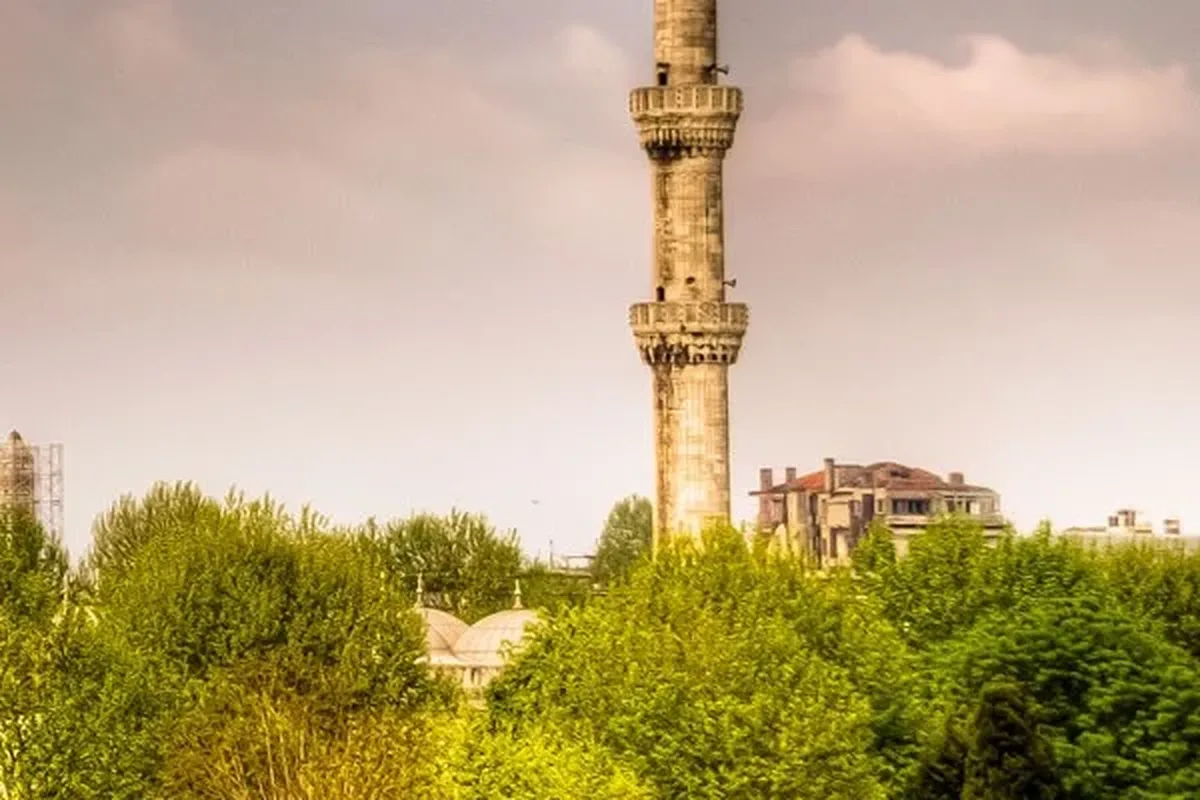
Islam has been present in Cyprus for centuries, and the island's Muslim population is mainly Turkish Cypriot, historically concentrated in the north. Mosques and Islamic heritage nevertheless appear across the whole island, from village minarets to Nicosia's old town.
The best-known site for visitors is the Hala Sultan Tekke beside the salt lake near Larnaca, a mosque complex that is also a place of pilgrimage and a quiet stop for travellers. The official tourism portal has a Religion category and pages on religious routes that cover mosques, churches and monasteries side by side.
- Dress modestly when visiting any religious building; scarves and covered shoulders are expected.
- Remove shoes where requested and keep your voice low.
- Opening times are not fixed, so ask locally or check before travelling out of your way.
Reading food labels and menus
Cypriot cooking is a blend of Greek and Turkish traditions, with grilled meat, halloumi, olives, pulses and fresh salads. That gives vegetarians and pescatarians an easy time, but pork is common in the south, in sausages, cured meats and some meze plates, and wine and spirits are part of everyday dining.
Dedicated halal certification is not something to assume in tourist areas. Many travellers rely on vegetarian and seafood dishes, ask restaurants directly about the meat supplier and cooking methods, and buy sealed products with a halal mark they recognise. Scholars and travellers differ on how strict to be when halal meat is unavailable, so each reader should follow their own school or scholar.
Getting around the island
Traffic drives on the left, a legacy of British rule, which surprises many visitors from continental Europe and the Gulf. Car hire is the most flexible way to reach villages, beaches and the Troodos mountains, and distances on the island are modest.
Larnaka and Pafos airports are run by Hermes Airports, and Cyprus Airways flies from Larnaca to a range of regional destinations. Public buses connect larger towns but are less useful for remote areas, and taxis are plentiful but should be agreed on price or meter before you set off.
Everyday etiquette, dress and safety
Resort areas are relaxed about swimwear and alcohol, while villages and religious sites call for more modest clothing. Muslim women who wear hijab or loose clothing will find it entirely ordinary, and can wear a full-coverage swimsuit at the beach without comment.
Petty theft is uncommon but not unknown, so keep valuables out of sight in cars and on crowded beaches. Summer sun is strong, and tap water advice and sun protection are best checked with your hotel.
Holidays, Ramadan and Eid
Cyprus keeps Orthodox Christian holidays, and Easter in particular is a major family occasion with some closures. In Muslim communities, Ramadan and the two Eids follow the lunar calendar, so dates move about eleven days earlier each year.
If you travel during Ramadan, expect daytime cafés in tourist areas to stay open while smaller places adapt their hours. Plan iftar by asking the restaurant about timings in advance, and do not assume a kitchen can serve a late meal.
Putting it together before you book
Check entry rules first, then choose a base that suits your daily routine, ask accommodation about food and prayer arrangements in writing, and decide how much of the island you want to see.
Frequently asked questions
Is Cyprus a Muslim country?
No. Cyprus is a mainly Orthodox Christian island with a smaller Muslim community, most of it Turkish Cypriot. The Republic in the south is an EU member, and the north has a separate administration, so customs and rules differ between the two.
Can I easily find halal food in Cyprus?
Not reliably. Pork and alcohol are part of local dining, and halal meat is not labelled everywhere. Vegetarian and seafood choices are plentiful, and many visitors ask restaurants about their meat source, then decide what they are comfortable with.
Are there mosques to visit?
Yes. Hala Sultan Tekke near Larnaca is the most famous, and other mosques exist in Nicosia and elsewhere on the island. Dress modestly, remove shoes and check opening times, as some are not open for visits all day.
Where should I read the official entry rules?
Start with the Visit Cyprus Useful Info pages for entry requirements, transport, currency and health, then check your own government's travel advice. Do not rely on third-party summaries, because requirements depend on your passport and can change.
Useful organisations and links
- Visit CyprusOfficial portal of the Deputy Ministry of Tourism, with entry requirements, health and currency information and religious route pages.
- Cyprus AliveIndependent travel guide with sections on religion, culture and food, plus a directory of hotels and excursion providers.
Links to third-party organisations with no commercial tie to this site. Always check conditions with them directly.