Entry, permits and who regulates tourism
The national tourism portal links to the e-visa system and lists a tourist helpline, and it is the best place to start. Tourism is overseen by the Committee of Tourism Development, which licenses organisations that offer tourism services.
Some mountain areas, in particular the Gorno-Badakhshan region, can require additional permits, so check the current conditions on the official portal before booking. Rules change, so rely on official pages and not on older blogs.
Keep digital and paper copies of your visa, insurance and itinerary, and register your plans with your embassy if it offers that service.
Islam and communities
Islam is the majority religion, mostly Sunni of the Hanafi tradition, with Ismaili Muslims in the Pamir mountains. Local customs combine Islamic practice with older Persian and Central Asian traditions.
The state follows religious life closely, and rules on mosques and public displays of religion can differ from what visitors expect in other Muslim countries. Ask your host or guide about current practice instead of assuming.
Mosques and prayer
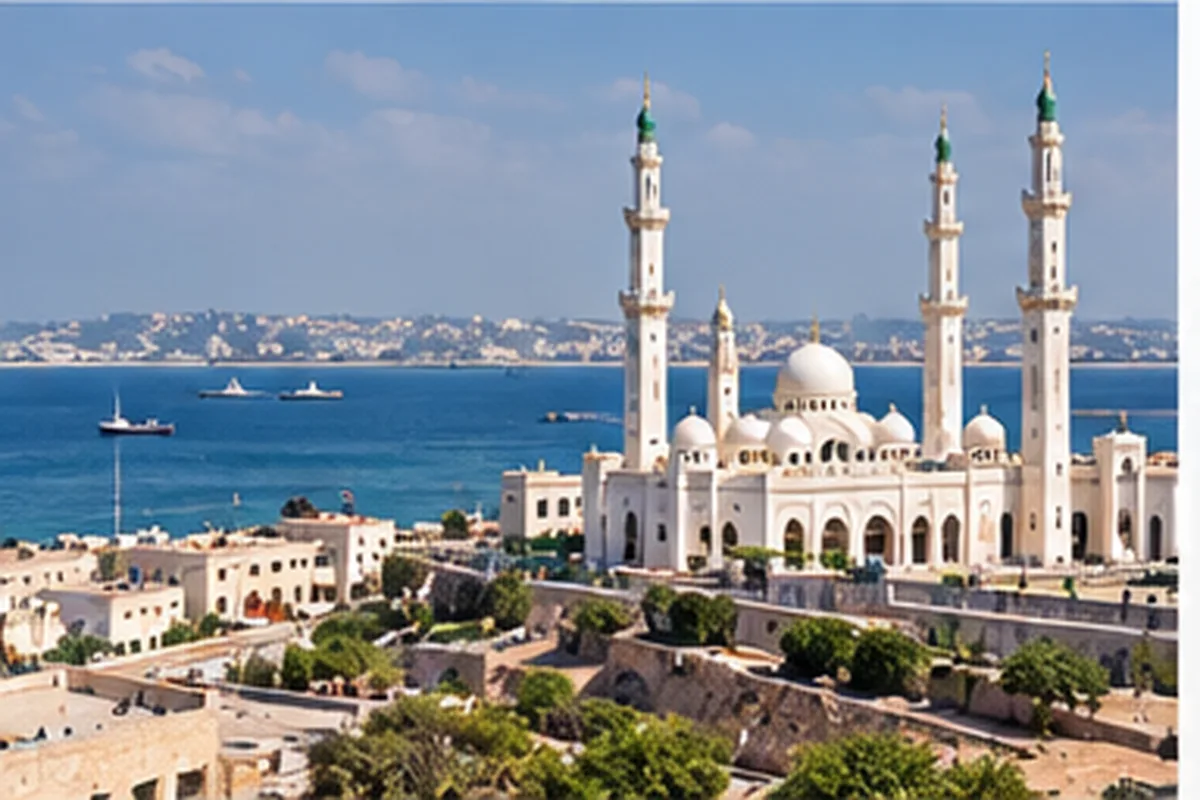
Mosques exist in cities and towns, and Friday prayer is observed. Visitors should dress modestly, remove shoes and be ready to ask before entering, since access for foreigners and for women varies from one mosque to another.
Prayer times are available through phone apps, and a small mat and compass app are enough for travel days. Many people pray at home or at their accommodation, and travellers can do the same.
Friday midday prayer draws large crowds in cities, so if you want to attend, ask a local contact which mosque is best for visitors and arrive early.
Halal food and the table
Meals revolve around bread, plov, soups, grilled meat, dumplings and tea, often served in a teahouse. In a Muslim-majority country, most local meat is intended for Muslim customers, though no single certificate system is shown on menus.
Alcohol is sold in some cities, particularly in restaurants that cater to visitors. Ask about it if it matters to you, and check desserts, sauces and imported foods in supermarkets.
- Ask how the meat is slaughtered if that is important to your school.
- Carry bread, dried fruit and nuts for mountain days.
- Drink bottled or boiled water, and peel fruit you cannot wash.
Dress and etiquette
Modest clothing is wise for both women and men, especially outside Dushanbe. Shoulders and knees covered is a safe rule, and women may want a light scarf for religious sites.
Greet people with a handshake or a hand on the heart, accept tea when offered, and remove shoes when entering a home. Ask permission before photographing people, and avoid photographing government buildings.
Getting around and staying safe
Tajikair is the national airline, and its site lists destinations, services and contacts in Russian, Tajik and English. Roads in the mountains can be slow and may close in bad weather, so allow spare days.
Hire a licensed operator for remote routes and agree prices in advance. The currency is the somoni (TJS), so carry some cash outside the capital and check whether your cards work.
Language, money and connectivity
Tajik is the national language, closely related to Persian, and Russian is widely understood in cities. A few words of Tajik or Russian go a long way, and a translation app helps in villages.
Mobile coverage can be patchy in the mountains, so download maps and keep emergency contacts in writing.
The national tourism portal also lists a tourist hotline, which is worth saving in your phone before you go.
Holidays, Ramadan and Eid
Ramadan changes opening hours, and many cafes may close in the day. Eid al-Fitr and Eid al-Adha are family occasions, and Nowruz, the spring new year, is also celebrated across the country.
Transport and shops can be busy or closed around these dates, so check the calendar before you fix your dates.
Frequently asked questions
Is Tajikistan a Muslim-friendly destination?
It is a Muslim-majority country, so halal meat, mosques and the call to prayer are part of normal life. Religious expression is regulated by the state, so ask your host about local practice and keep a modest, respectful approach.
Do I need a permit for the Pamirs?
Gorno-Badakhshan can require an additional permit, often linked to the visa process. Rules change, so check the official tourism portal and ask a licensed operator before you book flights or accommodation.
How do I find halal food?
Ask in restaurants and markets, where most meat is intended for Muslim customers. There is no single certification on menus, so ask directly about slaughter if it matters, and check imported products and desserts for alcohol.
What should women wear?
Modest clothing, with shoulders and knees covered and a light scarf for mosques, is a safe choice. In Dushanbe styles are varied, while villages are more conservative, so dress more covered outside the capital.
Useful organisations and links
- Travel Tajikistan (official tourism portal)Official tourism portal with regional guides, routes, accommodation, licensed agencies, an e-visa link and a tourist hotline.
- Advantour - Tajikistan toursTour operator whose Tajikistan guide covers visas, the Pamir Highway, cuisine and etiquette.
Links to third-party organisations with no commercial tie to this site. Always check conditions with them directly.