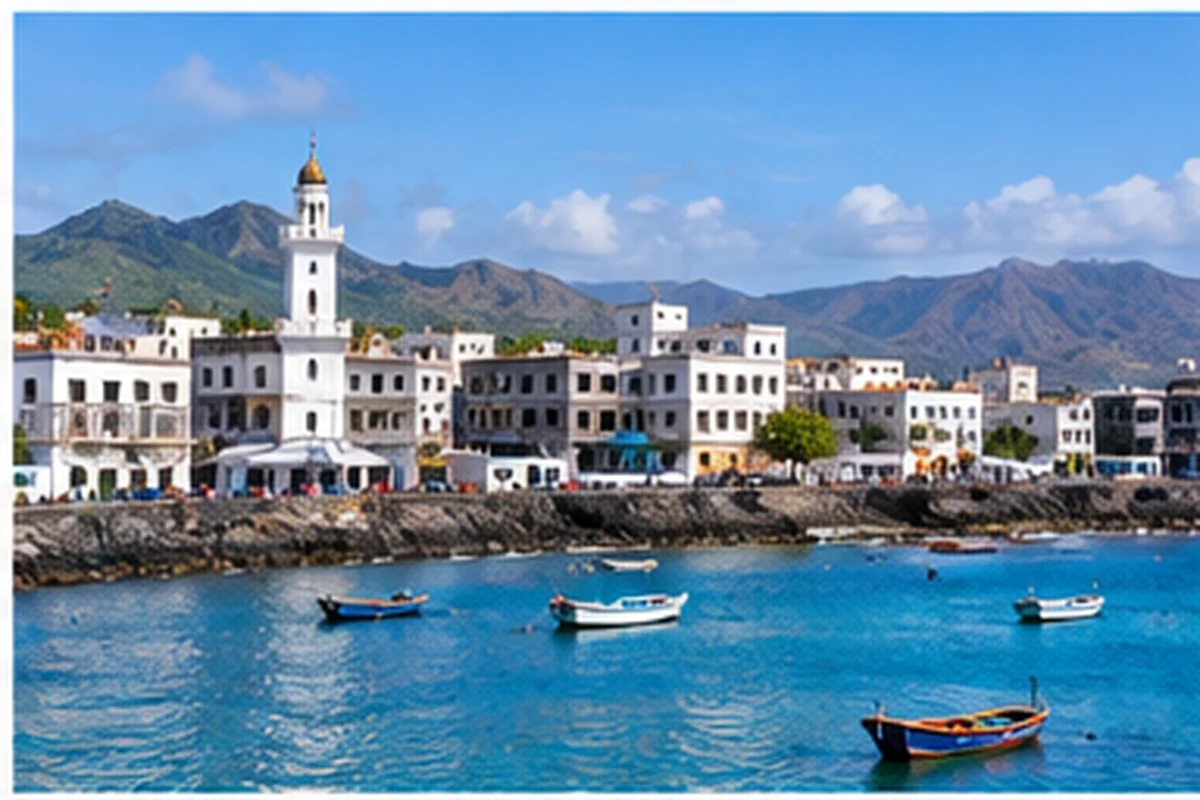
Islam and Muslim communities in Guinea
Most Guineans are Muslim, and Islam shapes greetings, clothing, family life and the working week. There are also Christian communities, mainly in Conakry and some other regions, and the two live side by side in most places.
Conakry has the Grande Mosquée, one of the best-known landmarks of the capital. The Fouta Djallon highlands in Middle Guinea have a long Islamic scholarly history, which is one reason to include them in a trip.
Entry, visas and health: check the official page
Entry rules, visa types and vaccination requirements can change, so this guide does not list them. Consult the embassy or consulate of Guinea that serves your country and your own government's travel advice, and do it well before booking.
A travel-health clinic can advise on vaccinations and malaria prevention for the region and season you plan to visit. Carry medicines in their original packaging, along with copies of prescriptions.
Mosques, prayer times and the call to prayer
The call to prayer is heard in towns and villages and prayer is part of the day for many people. Mosques in Conakry and other cities are easy to find, and visitors who are Muslim will usually be welcomed to pray if they dress properly and take off their shoes.
Non-Muslim companions should ask before entering a mosque and should not assume that they are allowed inside. Women should check whether there is a separate area.
Download a prayer-times app that works offline. On long road journeys, ask your driver to plan stops, as villages along the way often have a small mosque or an open prayer area.
Halal food and how to read what you are served
With a Muslim majority, most restaurants and street stalls serve meat prepared in the usual way for Muslim customers. That is common practice, not a legal guarantee, and Guinea has no certification mark that visitors can look for in the same way as in some other countries.
In practice, ask the cook or owner. A direct question in French, the official language, such as: la viande est-elle halal, is normally understood. Rice dishes with sauce, grilled fish and chicken, and fruit are easy to find.
In hotels aimed at foreigners and in some Conakry restaurants, alcohol and pork may be served. If this matters to you, ask before sitting down and prefer places where the owner can answer clearly.
Dress and local etiquette
Modest dress is the norm: loose clothing covering shoulders and knees for both men and women, with a scarf for women in more conservative areas. Light cotton works well in the climate.
Greet people properly before asking for anything, and use the right hand for giving and receiving. Ask permission before taking photographs of people, and be careful about photographing government buildings, military sites and airports.
Unmarried couples travelling together should be discreet in public, and affection in the street is best avoided.
Getting around
Conakry is the main entry point. Within the city, taxis and shared transport are common, and agreeing a price before getting in is the rule. Between towns, roads vary greatly in quality and journeys take longer than the map suggests, especially in the rainy season.
The Fouta Djallon, with Mamou, Dalaba, Pita and Labé, is the main hub for trekking and waterfalls. A local driver or an operator saves time and makes prayer stops easier to plan.
Government tourism material also names Badiar Park, which covers 38,200 hectares in the Fouta Djallon, and Mont Nimba, described there as the highest point in West Africa. Access to such areas should be arranged with a guide.
Safety, scams and common sense
Check your government's current travel advice before you go and register with your embassy if that is possible. Conditions can differ between Conakry and the interior, and between seasons.
Keep valuables out of sight, use hotel-recommended taxis at night, avoid demonstrations and carry a copy of your passport rather than the original.
Public holidays, Ramadan and Eid
Islamic holidays such as Eid al-Fitr and Eid al-Adha are major moments in Guinea, with prayers, family visits and shared meals. Dates follow the lunar calendar and shift each year, so check them when you plan.
During Ramadan, daytime life slows down, some small restaurants close until the evening and journeys may start earlier. Visitors who are not fasting should eat discreetly. Hotels usually serve guests whatever the season, but ask beforehand.
On Eid days transport can be scarce and prices rise, so book your onward travel in advance.
Frequently asked questions
Is Guinea a Muslim-majority country?
Yes. Most Guineans are Muslim, and mosques, the call to prayer and Islamic holidays are part of everyday life. There are Christian communities too, so visitors will see both religions in daily life.
Is food in Guinea halal?
Most restaurants and stalls cater to a Muslim clientele, but there is no visitor-facing halal label. Ask the owner directly, in French if possible, particularly in hotels for foreigners where alcohol and pork may be on the menu.
What should I wear?
Loose clothing covering shoulders and knees for both men and women, and a scarf for women in more conservative areas. Light cotton fabrics suit the heat. Modest dress also helps at mosques and in villages.
Where do I find entry and health rules?
On the website of the Guinean embassy or consulate serving your country, plus your own foreign ministry and a travel-health clinic. Rules change, so rely on the official page rather than a guide.
Useful organisations and links
- Guinea Investment Promotion – tourism sheetGovernment sheet describing Guinean tourism: waterfalls, Fouta Djallon, Badiar Park, Mont Nimba, heritage sites and tour operators.
- Noom Hotel Conakry (Mangalis)Five-star hotel in central Conakry near the Grande Mosquée; ask the hotel about food and prayer arrangements.
Links to third-party organisations with no commercial tie to this site. Always check conditions with them directly.