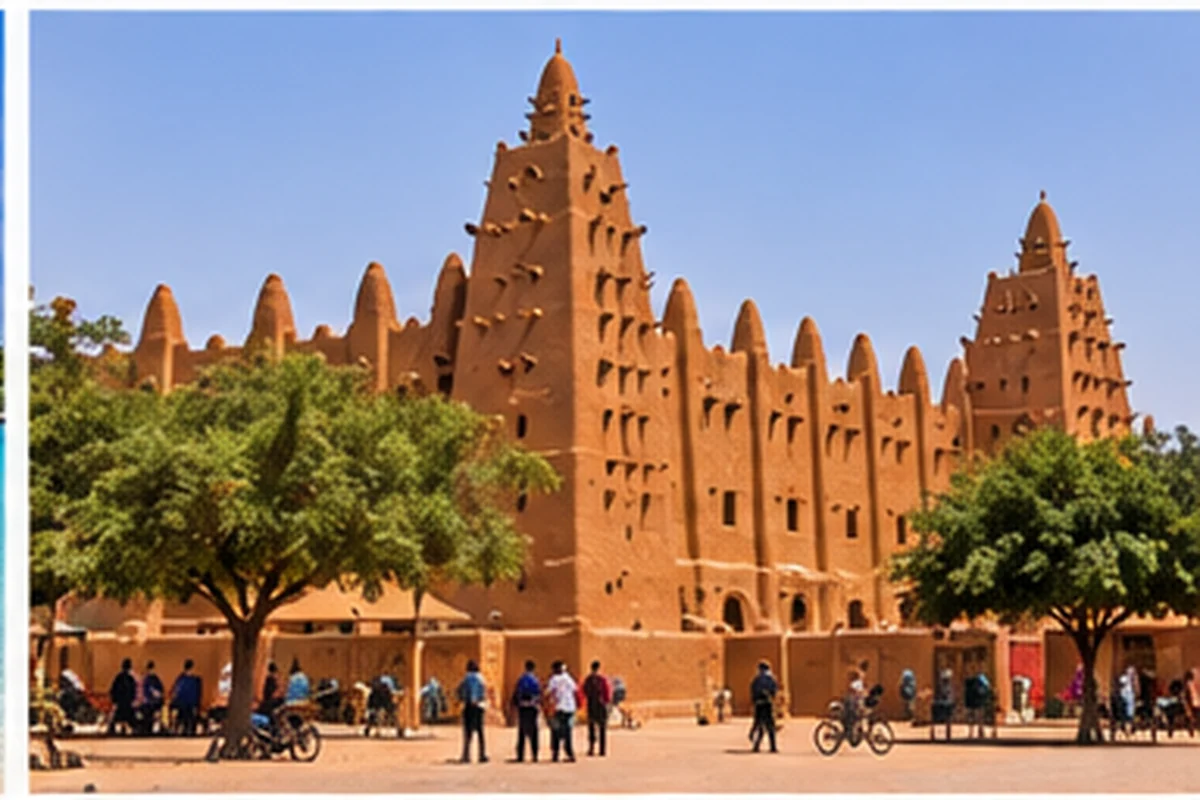
A quick picture of the country
The Gambia is a narrow country that follows the River Gambia inland from the Atlantic coast and is almost entirely surrounded by Senegal. Banjul is the capital, while the coastal strip around Serekunda, Bakau, Fajara and Kololi is where most visitors stay.
English is the official language. Mandinka, Wolof and Fula are widely spoken, and a few words of greeting in these languages are always appreciated. The currency is the dalasi.
Entry, visa and health
Entry rules depend on nationality and change from time to time, so rely on the official government and tourism pages rather than on a guide such as this one. Check passport validity, any visa or travel authorisation, and what you must carry on arrival.
For health, speak to a travel clinic or doctor well before departure. Vaccinations, malaria precautions and food and water advice are matters for professionals who know your medical history.
Islam and the Muslim community
The large majority of Gambians are Muslim, and a small Christian minority lives alongside them in a generally tolerant atmosphere. Religious festivals such as Eid are public celebrations, and greetings in Arabic are understood everywhere.
Several Sufi and other traditions are practised, and communities differ in how they observe customs. Visitors do best by listening, avoiding debates about doctrine and following local cues.
Mosques and the call to prayer
The call to prayer is heard across towns and villages, and mosques are never far away. Most are open to Muslim worshippers, and visitors who are Muslim can usually pray in them, dressed modestly and with shoes removed.
Some larger mosques in Banjul and the Kombos receive visitors, but practices differ. Ask a local guide or a neighbour before entering, and take care during prayer times and on Fridays, when congregations are large.
Eating and halal food
In a Muslim-majority country, meat is generally slaughtered in the Islamic way and pork is rare, which makes everyday eating simple. There is no need for a certificate on the menu, and local markets and street food are the normal source.
Tourist hotels and restaurants on the coast are another matter, because they serve international guests and may offer alcohol and varied menus. If halal sourcing matters to you, ask the kitchen directly. Local dishes include domoda, a groundnut stew, and benachin, a one-pot rice meal, and fresh fish is easy to find.
Dress and local etiquette
Dress is relaxed on the resort beaches, where visitors from many countries swim and sunbathe. Away from them, in villages and towns, modest clothing is the norm: covered shoulders and knees for both men and women are respectful and practical against the sun.
Greet people before asking for anything, use the right hand to give and receive, and ask permission before photographing individuals. Public displays of affection are best kept discreet.
Getting around and staying safe
Shared taxis, yellow-and-green town taxis, minibuses called gelegeles and ferries over the river are the usual ways to move. Agree fares before getting in, and allow extra time, since journeys are rarely fast.
On the beaches, expect friendly approaches from sellers and informal guides. A clear, polite refusal usually ends the conversation. Keep valuables out of sight, avoid walking alone on isolated beaches at night, and read your government's current travel advice before you leave.
Holidays, Ramadan and when to go
The dry season from about November to April is the main holiday period, with sunshine and little rain. The wetter months suit those who prefer quiet, green landscapes and lower prices, although some businesses reduce services.
During Ramadan, daytime opening hours for restaurants shift, evenings come alive after the iftar meal, and Eid is celebrated with family visits and prayers. Dates follow the lunar calendar, so check them for your year.
Frequently asked questions
Is The Gambia a Muslim-majority country?
Yes, the large majority of the population is Muslim, and Islam is visible in daily life, from the call to prayer to the way festivals are celebrated. A small Christian minority lives alongside, and religious relations are generally calm and respectful.
Is halal food easy to find in The Gambia?
In local restaurants, markets and homes, yes, because most meat is prepared in the Islamic way. At international tourist hotels, menus are mixed and alcohol may be served, so ask about meat sourcing if it matters to you.
What should I wear when visiting?
Beach resorts are relaxed, but in towns and villages modest clothing is expected and appreciated. Light, loose garments covering shoulders and knees work well in the heat for men and women, and a scarf is useful when visiting a mosque.
Where can I find official entry and health information?
Use your own government's travel pages, the Gambian immigration authorities and the Gambia Tourism Board for entry rules, and consult a travel health clinic for vaccinations and malaria advice. Regulations change, so check shortly before departure.
Useful organisations and links
- Visit The Gambia (Gambia Tourism Board)Official tourism site with activities, stays, food, tours, events and travel information for The Gambia.
- National Centre for Arts and CultureNational body presenting Kunta Kinteh Island and the Stone Circles of Senegambia, both UNESCO World Heritage sites.
Links to third-party organisations with no commercial tie to this site. Always check conditions with them directly.