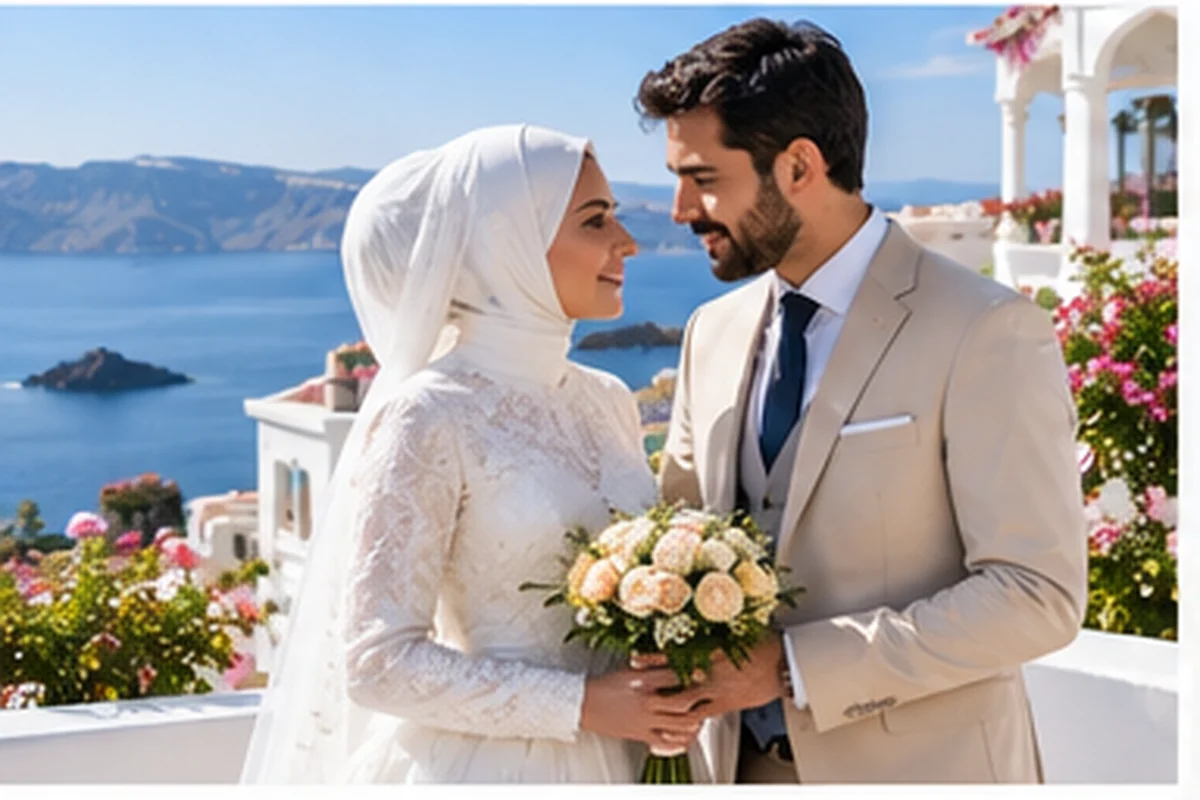
What thermal travel involves
Thermal springs are naturally heated waters, and a whole tradition of bathing has grown around them, from Roman and Ottoman baths to modern geothermal lagoons. A wellness trip can be as simple as a day in a bathing complex or as long as a week at a spa hotel with treatments, meals and walks.
For Muslim travellers the appeal is easy to understand, since cleanliness, rest and care of the body matter in Islam. The difficulty is not the water but the setting: mixed pools, shared changing areas and treatment rooms where staff of either sex may work.
Swimwear and dress codes
Rules differ widely from one place to another and they are set by the operator, not by the country. Therme Wien in Vienna, for example, states that burkini-style swimwear is allowed provided the fabric is water-repellent, non-absorbent and snug-fitting. That kind of explicit wording is exactly what to look for.
At the Széchenyi Thermal Bath in Budapest, the homepage does not state a dress-code or women-only policy, and visitors are directed to the FAQ pages. When a website is silent, write or call and keep the reply. Never assume that a policy will be applied the way you expect on the day.
Women-only hours and private spaces
Separate sessions for women are not offered everywhere, and the research behind this page could not confirm them for the baths mentioned here. Treat any claim of women-only hours as something to verify with the operator, including the days, times and what exactly is separated.
Private options can solve part of the problem. The Retreat Spa at Blue Lagoon in Iceland, for instance, is priced per private changing room, which gives families and couples a place to change away from other guests. Private suites, family cabins and early-morning slots are worth asking about wherever the public areas are crowded.
Prayer and halal food at a spa
Most bathing complexes do not have a prayer room, so plan around the day. Pray before you go in, or ask whether a quiet corner is available afterwards. Check the opening hours against the prayer times, because a long session can easily cross into the next prayer.
Food inside a spa is usually a café with a limited menu. Ask about ingredients and alcohol in dishes, and carry a snack if you are unsure. Spa hotels often serve breakfast and dinner as set menus, so tell the kitchen about your needs when you book rather than at the table.
Where thermal travel is found
Central Europe has famous bathing cities such as Budapest and Vienna, and Iceland is known for its geothermal lagoons. Türkiye has a long tradition of thermal waters, and the municipality of Yalova lists thermal spas, called kaplıca in Turkish, among its city services.
Each of these places has its own culture of bathing, which affects who goes, what is worn and how mixed the facilities are. Read the operator's own pages instead of relying on general reputation.
A short trip can combine a thermal stop with sightseeing. Ask yourself how much of the day you want to spend in water, and whether a family member would rather walk or visit a museum nearby while others bathe. Matching the length of the visit to everyone's comfort is the surest way to keep the experience pleasant.
Health, comfort and timing
Hot water affects the body. People who are pregnant or have heart, blood-pressure or skin conditions should speak to a doctor first, and everyone should drink water and limit time in the hottest pools. Fasting travellers should avoid long sessions during the day in Ramadan because heat and dehydration make it uncomfortable and can be risky.
Weekday mornings are usually quieter than weekends and holidays. If privacy is a priority, avoid peak hours, and consider a smaller spa instead of a landmark site.
A step-by-step plan
Start with the spa's own website and its FAQ, then contact the operator in writing. Ask the same questions of every place, so you can compare answers.
- Is modest swimwear, such as a burkini or full-coverage suit, accepted?
- Are there women-only hours, private rooms or family changing areas?
- What are the opening hours, and where could I pray nearby?
- Can the kitchen list the ingredients, and is alcohol used in cooking?
- What is the cancellation rule if the answers do not match the website?
Frequently asked questions
Can I wear a burkini in thermal baths?
It depends on the operator. Therme Wien states that burkini-style swimwear is allowed if the fabric is water-repellent, non-absorbent and snug. Other baths may not say, so read the FAQ or ask in writing before you book and pack the suit.
Do thermal baths offer women-only sessions?
Some do, many do not. Women-only hours were not confirmed for the sites mentioned here, so ask each operator for days and times. Private changing rooms or suites, such as those priced separately at Blue Lagoon's Retreat Spa, can be an alternative.
Is it possible to pray at a spa?
Rarely inside the bathing area. Most visitors pray before arriving or afterwards at a hotel or a nearby mosque. When booking a spa hotel, ask whether a quiet room can be used and check how the session length fits the prayer times.
Are thermal springs suitable while fasting?
Long hot sessions during daytime fasting can cause dehydration and dizziness. Many people choose evenings after the fast is broken, or skip the hottest pools. Anyone with a medical condition should seek a doctor's advice before a thermal stay.
Useful organisations and links
- Therme WienVienna thermal spa whose pages state that burkini-style swimwear is permitted if water-repellent and snug-fitting.
- Blue Lagoon IcelandGeothermal spa and hotels in Iceland, including the Retreat Spa with private changing rooms.
- Széchenyi Thermal BathOfficial site of Budapest's thermal bath; its FAQ pages give dress-code and session details.
Links to third-party organisations with no commercial tie to this site. Always check conditions with them directly.