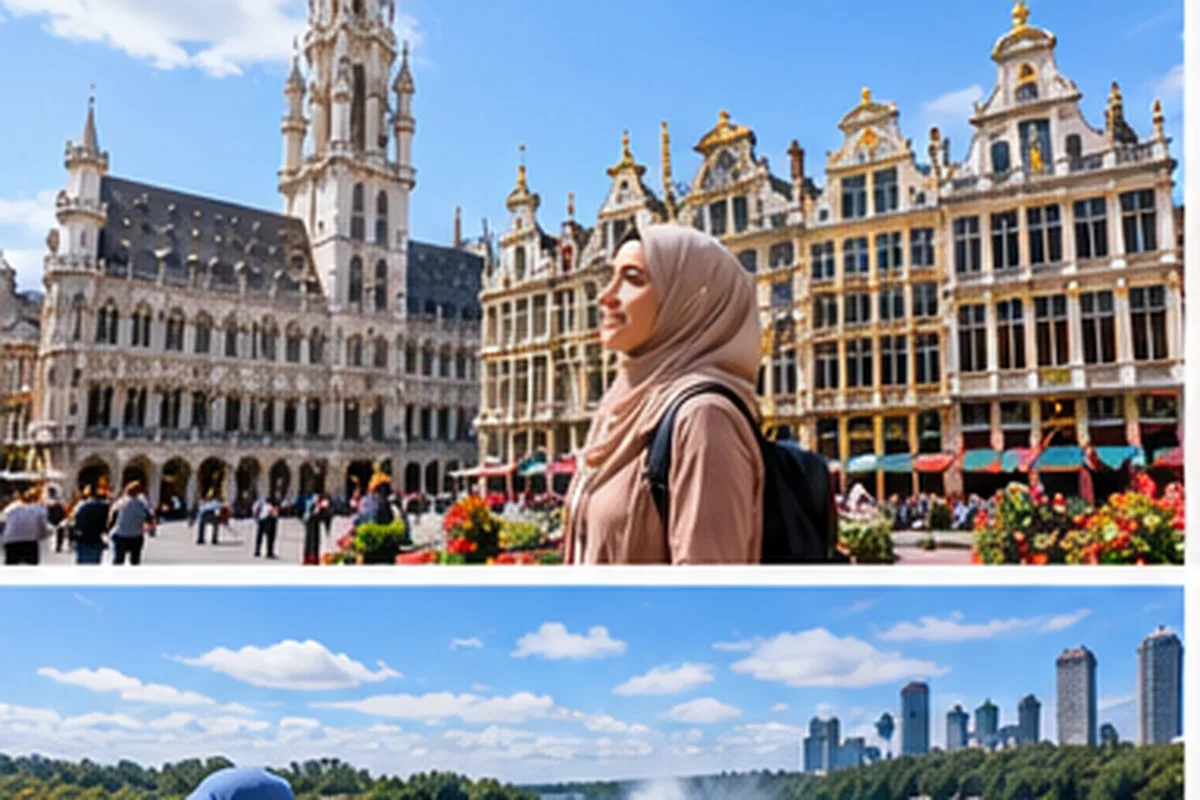
What to expect as a Muslim visitor
Islam is a small minority faith in South Korea, so daily life does not revolve around prayer or halal food the way it does in Muslim-majority countries. Visitors who plan ahead nonetheless find that the picture has improved in recent years, especially in the capital.
The Korea Tourism Organization publishes a dedicated Muslim-friendly travel guide, and the country has a mosque, prayer rooms and restaurant listings aimed at visitors. The key is to know what each label means before you rely on it.
The four restaurant categories
The national tourism organisation sorts Muslim-friendly restaurants into four groups. Reading them carefully is the most useful skill for eating well in Korea.
Halal Certified restaurants have an external certificate. Self-certified restaurants state their own halal practice without outside verification. Muslim Friendly restaurants adapt their offer to Muslim guests, and Pork-free restaurants avoid pork but make no wider halal statement.
- Halal Certified: ask which certifier issued it and for how long it is valid.
- Self-certified: ask how the meat is sourced and prepared.
- Muslim Friendly: ask what exactly is adapted, and what is not.
- Pork-free: check for alcohol in sauces, and for other meats.
Hotels, buffets and the fine print
Hotel restaurants and buffets in the Muslim-friendly category can still serve pork or alcohol, so check before ordering. A badge on a hotel does not mean the whole property follows the same rules.
Some hotels, reported in 2020 to include Lotte Hotel Seoul and The Plaza, have held the tourism organisation's Muslim Friendly restaurant certification. Policies change, so confirm the present status with the hotel and ask which outlet and which dishes it covers.
Mosques and the Korea Muslim Federation
The Korea Muslim Federation promotes the Seoul Central Mosque, lists mosques across the country and publishes prayer timetables. It is also an accredited halal certifier, so its site is a useful reference for certification questions.
The Seoul Central Mosque sits in the Itaewon area, where several halal restaurants and grocery shops are found. Friday prayer draws a mixed community of residents and visitors, so arrive early and dress modestly, and women should ask about the arrangements for them.
Prayer rooms and equipment
The tourism organisation has distributed prayer mats and qibla compasses to hotels that have multi-faith or prayer rooms. That is encouraging, but availability varies, so ask in advance and pack your own mat and a compass or app.
Shopping centres also help. The Lotte Department Store Avenuel in Jamsil was reported to have opened a prayer room with separate men's and women's areas and a qibla marking in 2017. Since facilities can change, check the venue's information desk before planning a prayer break around it.
Pack a small carpet or mat in a day bag, since a prayer room may be far from where you are when the time begins.
Eating Korean food with care
Korean cuisine can hide ingredients. Broths are often made with meat bones, kimchi may contain fish sauce or shrimp paste, and cooking wines and rice spirits appear in some marinades. Barbecue restaurants typically serve pork, and grills may be shared.
Pork-free is not the same as halal, and vegetarian dishes do not always escape animal stock. Simple strategies help: choose certified restaurants first, carry a translated card listing what you avoid, and confirm each order. Many visitors rely on seafood, fruit and bakeries between proper meals.
Seoul, Jeju and getting around
Visit Seoul, the city's official guide, covers restaurants, themes and accessibility, and is a good place to start building an itinerary. VisitJeju, the island's tourism organisation, covers food, stays and shopping, with chat support offered in Indonesian and other languages.
Public transport is extensive in the capital, and a rechargeable transport card is a common convenience. Travel times between a hotel, a mosque and a certified restaurant are the real constraint, so group your plans by district and leave a margin around the prayer times.
Dress, season and a practical plan
Seasons are distinct, with cold winters and warm, humid summers, which affects clothing and fasting hours. Modest dress is easy to arrange, since layered, loose clothing is common among Koreans too.
If Ramadan falls during your visit, the long summer days or short winter days change how you plan. A workable routine: start with a certified breakfast or one you prepare, visit sights in the morning, return to a prayer room at midday, and book dinner at a verified restaurant in advance.
Frequently asked questions
Is halal food easy to find in South Korea?
It is easier in Seoul, especially around Itaewon, and in tourist areas. Elsewhere it can be limited. Look at the tourism organisation's listing, ask about certification, and keep a few simple back-up options with you.
What does Muslim Friendly mean on a Korean menu?
It is one of four official categories, alongside Halal Certified, Self-certified and Pork-free. Muslim Friendly means a restaurant adapts to Muslim guests, but it can still serve pork or alcohol elsewhere, so ask what is excluded.
Where can I pray in Seoul?
The Seoul Central Mosque is the main reference, and the Korea Muslim Federation lists other mosques and timetables. Some hotels and shopping centres also provide prayer rooms. Check availability beforehand because arrangements change.
Are pork-free restaurants safe for halal diners?
Not automatically. Pork-free only means that pork is avoided. Meat may not be halal-slaughtered, and alcohol can appear in sauces or marinades. Treat it as a minimum standard and ask further questions according to your own school.
Useful organisations and links
- Korea Tourism Organization – Muslim-friendly TravelOfficial guide that classifies Muslim-friendly restaurants into four categories and covers prayer rooms.
- Korea Muslim Federation (Seoul Central Mosque)Information on the Seoul Central Mosque, mosques nationwide, prayer timetables and halal certification, mainly in Korean.
- VisitJeju – Jeju Tourism OrganizationOfficial Jeju portal for food, stays and shopping, with chat support in Indonesian and other languages.
Links to third-party organisations with no commercial tie to this site. Always check conditions with them directly.