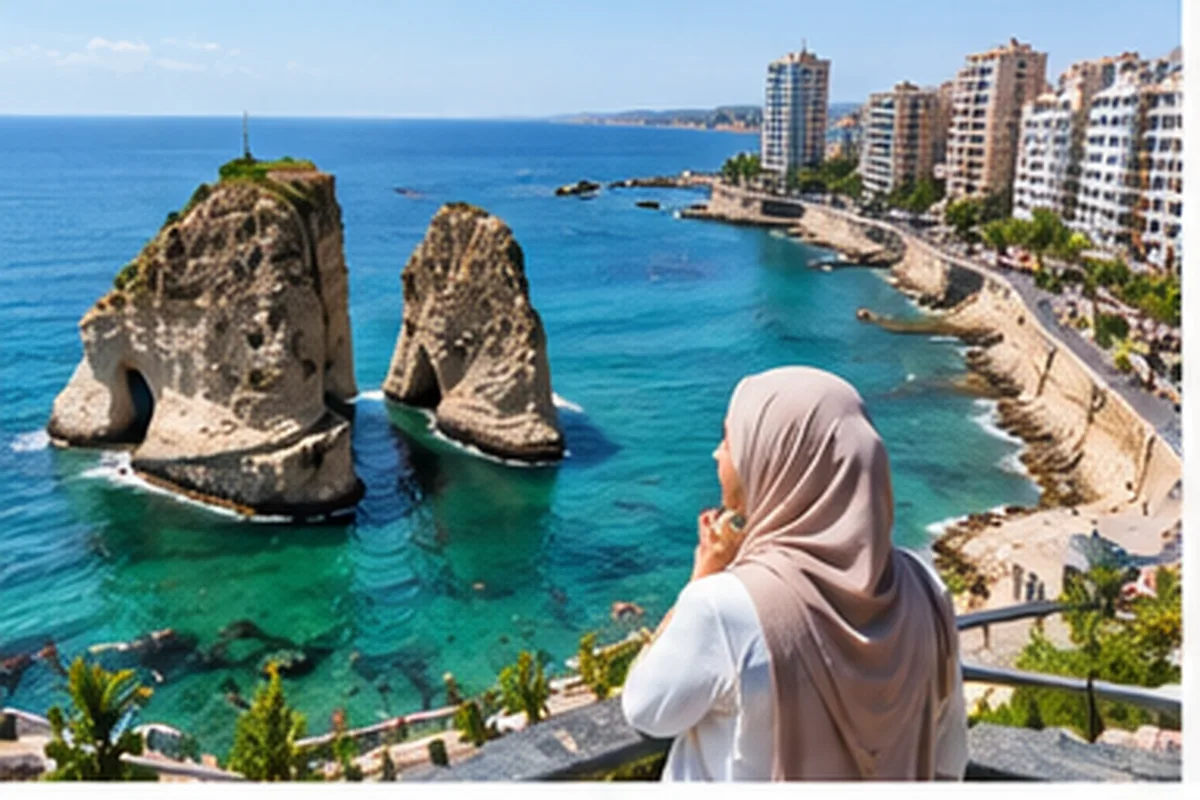
Start with the official advisories
Before anything else, read the current travel advice issued by your own government. Conditions in parts of Mali have changed repeatedly, and advice can differ sharply between regions. This guide cannot replace it.
Entry rules, visa requirements and health recommendations such as vaccination also depend on your nationality and change from time to time. Use the official embassy or foreign-ministry page of your own country and the Malian consulate for the details, and keep your travel insurance terms in view.
Islam in everyday Mali
Mali is a majority-Muslim country, and many visitors find that prayer times structure the rhythm of the day. Shops pause, men gather for Friday prayer and the call to prayer carries across towns and villages. Minorities of Christians and followers of traditional beliefs also live in the country.
Muslim travellers will rarely need to search for a mosque. Visitors who are not Muslim should ask before entering one, since access varies and some historic mosques are closed to non-worshippers.
Timbuktu and the heritage of learning
Timbuktu was declared a UNESCO World Heritage Site in 1990 and is known as a centre of Islamic scholarship. The Tombouctou Manuscripts Project at the University of Cape Town explains that the city’s manuscripts date from the 13th to the 20th centuries and are written in Arabic and African languages in Arabic script.
For readers planning a visit, the project’s pages are a good starting point for context on the local libraries and their history. Whether a visit is possible at any given time depends on the security situation, so consult official advice first.
Food and halal in practice
In a Muslim-majority country, meat is generally slaughtered according to Islamic practice and pork is rarely on local menus. Even so, no formal national halal label is verified for this page, so travellers who follow a stricter standard should ask directly.
Typical meals include rice with sauces, grilled meat, millet porridge and fish from the river. In larger hotels and restaurants frequented by foreigners, ask about the cooking fat and whether alcohol is served on the premises.
Dress and etiquette
Modest clothing is appreciated everywhere and expected in villages and religious places. Women often find that a loose long-sleeved top, a long skirt or trousers and a light scarf are comfortable in the heat and respectful at the same time. Men should avoid very short shorts.
Greetings matter. Take time to exchange greetings, use the right hand for eating and handing things over, and ask permission before photographing people or religious buildings.
Getting around
Bamako is the main entry point and hosts the main hotels. The Azalaï group operates hotels there, including Azalaï Hôtel Bamako and Dunia Hôtel Bamako in the ACI 2000 district, although its site does not state a halal policy.
Beyond the capital, roads, river transport and flights vary in reliability and safety. Rather than improvising, rely on a locally experienced, licensed operator and share your itinerary with your embassy or consulate where this is recommended.
Safety, scams and health
Petty theft and overcharging can occur in busy markets and bus stations. Agree prices in advance, carry small notes and keep valuables out of sight. Avoid photographing military sites or officials.
The climate is hot, with a long dry season. Carry water, protect yourself from the sun and ask a travel clinic about malaria prevention well ahead of departure.
Ramadan, Eid and the calendar
Ramadan changes the pace of life. Daytime restaurants may be quiet, offices open shorter hours and evenings become lively after iftar. Travellers who are not fasting should eat discreetly in public.
Eid al-Fitr and Eid al-Adha are the main celebrations, and transport can be crowded around them. Dates depend on moon sighting and shift by about ten days each year, so check shortly before you travel.
Frequently asked questions
Is halal food easy to find in Mali?
Generally yes, since Mali is a majority-Muslim country and pork is rarely served locally. No formal halal certification has been verified for this page, so ask about meat sources and alcohol in hotels or restaurants catering to foreigners.
Can visitors enter mosques in Mali?
Access varies by mosque and by town. Muslim visitors can usually pray, while non-Muslims should ask permission and follow local guidance, because some historic mosques do not admit visitors outside prayer or at all.
Should I check travel advisories before planning?
Yes. Official advice from your own government can differ by region and changes over time. Read it before booking, check your insurance terms and reconsider the plan if the advice recommends against travel.
Does this site arrange trips to Mali?
No. This is an independent information portal. It does not sell trips, take bookings or issue halal certification, so contact a licensed operator, hotel or airline of your choice directly.
Useful organisations and links
- Tombouctou Manuscripts Project (University of Cape Town)Background on Timbuktu's Arabic-script manuscripts, local libraries and history, helpful for understanding the region's Islamic scholarship.
- Azalaï HôtelsWest African hotel group with hotels in Bamako, useful for city stays; its halal policy is not stated.
Links to third-party organisations with no commercial tie to this site. Always check conditions with them directly.