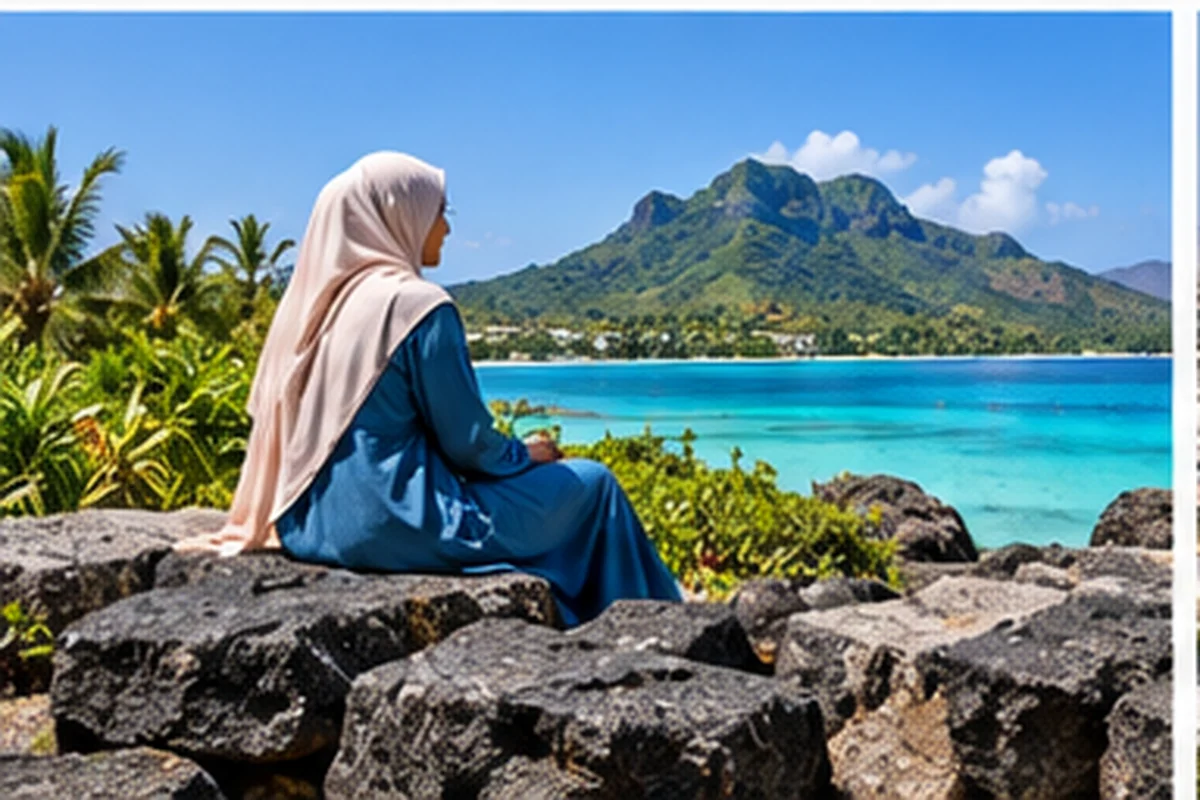
Why choose Guinea for a holiday
Guinea suits travellers who like walking, rivers, villages and landscapes, and who accept basic comfort in exchange for authenticity. It is not a beach-and-pool destination in the usual sense, and visitors should not expect a developed package-holiday market.
The Muslim-majority setting is a quiet advantage: mosques are widespread, the call to prayer is part of the day and local hosts understand fasting and prayer without explanation.
Conakry: the starting point
Most trips begin in the capital. Conakry has the Grande Mosquée and the Sainte-Marie cathedral, which one hotel in the centre, Noom Hotel Conakry, describes as being close by. The hotel is a five-star property with children's facilities; its listing does not state a halal policy, so ask about meat and alcohol.
Give yourself a day or two for the city, the markets and the coastline before heading inland. Traffic is heavy, so leave early for appointments and flights.
The Fouta Djallon highlands
Middle Guinea is the main trekking region, with Mamou, Dalaba, Pita and Labé as bases according to the national tourism sheet. Expect cooler air than on the coast, rivers, waterfalls and village stays.
A French trekking operator, Terres d'Aventure, lists a 16-day trek in Soussou country and the Fouta Djallon foothills; its page shows no fixed dates at the moment, so check before planning around it. If you walk with a group or a guide, tell them in advance about prayer times and meat.
The same sheet mentions Badiar Park, which covers 38,200 hectares in the Fouta Djallon. Visiting protected areas calls for a local guide and permission, so arrange it with a professional.
Heritage and history
Among the heritage places named in the government sheet are Niani, Niagassola, Timbo and Fort Gallieni. Timbo is associated with the history of the Fouta Djallon, while Niani and Niagassola are linked with the medieval Mali empire.
Mont Nimba, described in the sheet as the highest point in West Africa, is in the south-east, far from the capital, and is a separate expedition rather than a day trip.
Prayer, food and daily routine on holiday
On the road, plan stops around the five prayers, remembering that villages often have a mosque or an open area for prayer. Carry a mat, a small bottle of water and a compass or offline app.
Rice with sauce, grilled meat and fish, and fresh fruit are common, and most eating places serve a Muslim clientele. Ask about the meat when in doubt. Hotels for foreigners may serve alcohol, so ask for a quiet table if you prefer.
Walking days are long. Fasting travellers, whether in Ramadan or for voluntary fasts, should keep distances short and walk in the early morning.
Women, families and couples
Women travelling in a group or with family generally find the country welcoming, with modest dress and a scarf helping in the interior. Solo travel is better done through an operator or with a driver you trust.
Families with children should pack medicines, sun protection and snacks, since distances are long and services are limited. Couples will find hotels offering double rooms, but public displays of affection are best avoided.
Transport, budget and seasons
Distances in Guinea are long and the condition of roads changes with the season, so allow extra days. Four-wheel-drive vehicles with a driver are the standard choice for the interior, and shared taxis and buses serve the main routes.
The rainy season brings green landscapes and full waterfalls but also muddy tracks. The dry months make travel easier. Check the current season with your operator.
Costs depend mostly on whether you hire a vehicle and guide. Ask for a written quote that includes fuel, driver, guide, accommodation and meals, and compare at least two offers.
A sample 12-day outline
Days 1 and 2 in Conakry, with the mosque, markets and rest. Day 3, drive to Mamou and onward. Days 4 to 8 in the Fouta Djallon, for example from Dalaba to Pita and Labé, with waterfalls and village walks and a night in a guesthouse.
Day 9 is a rest day with prayers at a local mosque. Days 10 and 11 for the return to Conakry at a gentler pace, and day 12 for the flight. If your timetable is tight, spend the whole stay in the highlands rather than adding the south-east.
Frequently asked questions
Is Guinea suitable for a relaxing halal holiday?
It is better for active, cultural trips than for relaxation in a resort. Expect walking, waterfalls, villages and long drives. Muslim travellers will find mosques and halal-friendly food easily, but comfort levels are basic outside Conakry.
What is the best region for a first visit?
The Fouta Djallon in Middle Guinea, with towns such as Mamou, Dalaba, Pita and Labé, is the main trekking area. Add a day or two in Conakry for the capital and the Grande Mosquée.
Can I pray while trekking?
Yes, with some planning. Tell your guide the prayer times in advance, carry a mat, water for ablution and an offline prayer app, and arrange stops at village mosques or open areas along the route.
Do I need a guide or operator?
For the interior, yes. Roads, protected areas and heritage sites are easier and safer to visit with a local guide or a professional operator, who can also adapt meals and prayer stops to your needs.
Useful organisations and links
- Terres d'Aventure – Guinea treksFrench trekking operator with a trek in Soussou country and the Fouta Djallon foothills; check the page for current departures.
- Guinea Investment Promotion – tourism sheetGovernment sheet covering waterfalls, Fouta Djallon, Badiar Park, Mont Nimba, heritage sites and tour operators.
Links to third-party organisations with no commercial tie to this site. Always check conditions with them directly.