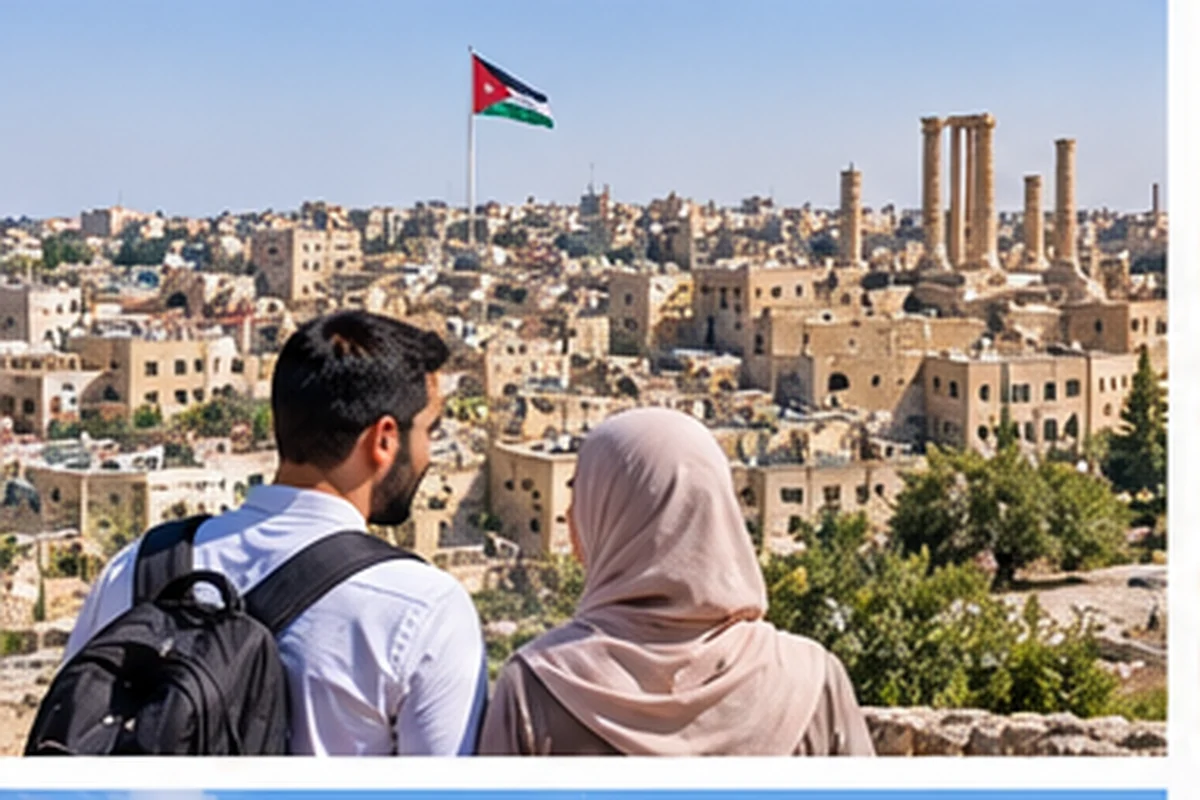
Why Kuwait suits a short, easy-going stay
Kuwait is small, flat and built around its capital on Kuwait Bay. Most visitors need only a few days, which makes it a good stopover or a quiet city break rather than a long resort holiday.
For Muslim travellers the appeal is practical. Alcohol is not sold, mosques are close at hand in every neighbourhood, and the weekend falls on Friday and Saturday, so family life and outings follow a familiar pattern. The country is better known for its Arabian Gulf hospitality, museums and markets than for big-ticket attractions.
The best time of year
Summers are extremely hot, and daytime sightseeing between roughly June and September is tiring even for people used to heat. Most visitors choose the cooler months from about November to March, when evenings are pleasant enough for the waterfront and for walking through the souqs.
Winter can bring rain and cool nights, so pack a light jacket. If you plan to travel in Ramadan, expect shorter opening hours by day and lively evenings, which many travellers find a memorable time to visit.
Where to base yourself
Kuwait City is the natural base: museums, mosques, the Gulf Road promenade and the old market quarter are all within a short drive. The Touristic Enterprises Company operates Kuwait Towers, beaches, marinas and seasonal family venues, which gives you a ready list of outings.
Along the coast, areas such as Salmiya, Fintas and the Messilah beachfront are used for sea-view stays and family days. Distances are short, but traffic can be heavy at rush hour, so check journey times locally.
City or coast?
Choose the city if you want culture, shopping and easy mosque visits. Choose the coast if you travel with children and prefer pools, sand and water sports. Many visitors combine both over four or five nights.
Daily routine: prayer, food and dress
Prayer times follow the usual daily cycle, and shopping centres and public places generally have prayer spaces. The Ministry of Awqaf and Islamic Affairs runs a Kuwait Mosques mobile app, a useful starting point for finding a mosque near you.
Restaurants range from Kuwaiti and Levantine kitchens to international chains. Ask staff about ingredients and slaughter if this matters to you, and do not assume that every menu item suits your standards simply because the country is Muslim-majority.
Dress is modest but relaxed in cities. Shoulders and knees covered is a sensible default, and a scarf is handy for mosque visits.
Beaches, islands and family days
Kuwait has public and private beach areas. Private clubs and hotel beaches usually have the most privacy, while public stretches can be busy at weekends. If modesty is a priority, ask in advance about screens, family-only days or women-only hours rather than guessing.
Kuwait Towers, Souq Al-Mubarakiya, the Grand Mosque and the museum district make easy half-day outings. Seasonal venues such as Winter Wonderland Kuwait appeal to families in the cooler months; check opening dates before you travel.
Getting there and around
Kuwait International Airport is the main gateway, and its official site gives flight status, visa and customs information, taxi and bus options. Entry rules change, so confirm visa requirements for your passport on the official tourism or airport pages before booking.
Inside the country, most visitors use taxis, ride-hailing apps or a rental car. Public transport is limited, which is one more reason to keep your base central. Always agree or check fares before a long taxi ride.
A sample four-day plan
Day one: settle in, walk the Gulf Road at dusk and eat locally. Day two: the Grand Mosque in the morning, then museums and the old market in the cooler hours.
Day three: Kuwait Towers and a beach or marina afternoon. Day four: a slow morning, souvenir shopping, and an early transfer to the airport, leaving margin for security and traffic.
- Book mosque visits around prayer times and check visiting hours first.
- Carry a light cover-up in all seasons for air-conditioned interiors and mosque visits.
- Keep a flexible afternoon in summer, since outdoor plans may need to move indoors.
Frequently asked questions
Is Kuwait a good destination for a halal holiday?
It suits calm, culture-focused stays well: alcohol is not sold, prayer spaces are easy to find and family dining is the norm. It is less of a resort destination than some Gulf neighbours, so plan for city and coast rather than beach-only days.
When is the best month to visit?
The cooler months from about November to March are the most comfortable for walking and outdoor family time. Summer is very hot, so if you travel then, plan indoor activities in the afternoon and keep outings for the evening.
How do I find halal food and prayer places?
Ask restaurants directly about ingredients and sourcing if it matters to you, and use the Kuwait Mosques app from the Ministry of Awqaf and Islamic Affairs to locate nearby mosques. Shopping centres and hotels often provide prayer spaces as well.
Can I travel during Ramadan?
Yes, and many travellers enjoy the evening atmosphere. Expect reduced daytime hours for some venues, and avoid eating or drinking in public by day as a courtesy. Confirm opening times locally before planning attractions.
Useful organisations and links
- Visit KuwaitOfficial tourism website with attractions, cultural events, visa information, hotels and travel tips for planning a trip.
- Touristic Enterprises Company (TEC)State-linked operator of Kuwait Towers, beaches, marinas and family venues, useful for choosing outings and seasonal events.
- Kuwait International Airport (DGCA)Official airport site with flight status, visa and customs information, taxis and buses, and on-site services.
Links to third-party organisations with no commercial tie to this site. Always check conditions with them directly.