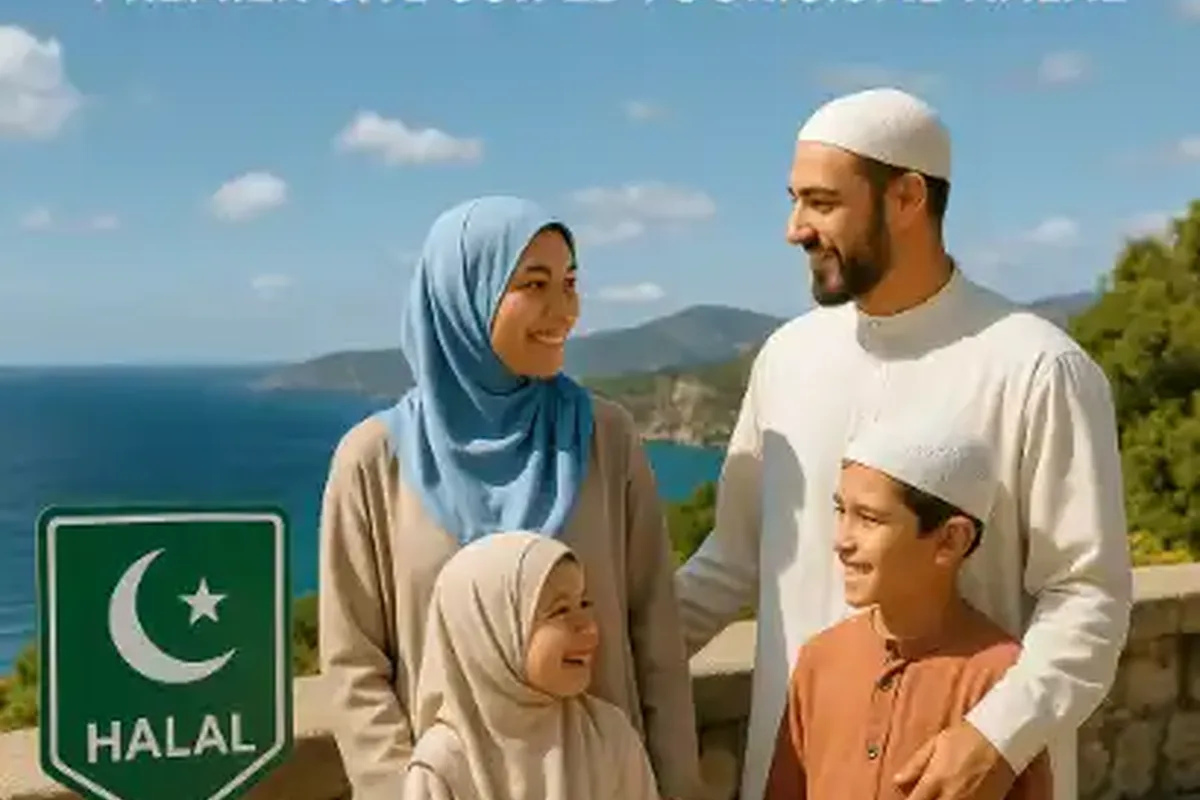
What to expect as a Muslim visitor
Lithuania is not a halal-tourism destination in the way Malaysia or Turkey are. Muslims are a small minority, and halal signs are rare outside a few specialist shops. The trip suits people who like to organise things in advance.
The upside is real. Cities are walkable, nature is close and daily life is calm. The national tourism portal covers regions, cities, nature, food and wellness, but it holds no halal or Muslim-traveller information, so the practical details below come from general knowledge and from questions to put to your hosts.
When to go
Summer, from roughly June to August, brings long daylight, mild weather and the busiest coastal season. Autumn is colourful and cheaper, while winter is dark, cold and best suited to travellers who enjoy Christmas markets and snow.
Because of the northern latitude, prayer times shift a great deal through the year: evening prayers come very late in midsummer, while midwinter days are brief. Check a prayer-time app for your exact dates, and remember that Ramadan moves each year, which changes a summer or winter stay completely.
Where to base yourself
Most first visits combine the capital with one or two other places. Pick the rhythm that suits your group rather than trying to see everything.
Vilnius, the capital
The old town is large, atmospheric and easy to explore on foot. It is the best base for a first trip, with the airport, rail and coach links and the widest choice of restaurants.
Kaunas and the interior
Kaunas, the second city, has a historic centre, riverside walks and museums. It suits a one- or two-night stop between the capital and the coast.
The Baltic coast
Klaipėda, Palanga and the Curonian Spit offer dunes, pine forest and cool-water beaches. They suit families in summer, but beach culture is Western European, so look for quieter stretches if you want privacy.
Trakai and the Karaim story
Trakai, west of Vilnius, is the classic day trip. Its island castle sits on a lake, and the local history museum also runs Medininkai Castle and the S. Sapsal Karaim Museum. The Karaim are a people who came from Crimea about 600 years ago, and the museum is a good introduction to the layered communities of the region.
The museum lists the castle as open Tuesday to Sunday from 10:00 to 18:00 in March, April, October and November, and daily from 10:00 to 19:00 between May and September. Confirm hours and tickets on the official page, especially on public holidays.
Food: planning around thin halal supply
Pork features heavily in traditional Lithuanian cooking, and hot dishes are often cooked with lard or served with bacon, so ordering a local dish without asking is a risk.
Fish, vegetable soups, potato dishes, dairy and salads are easy to find. Turkish and kebab-style places exist in larger cities, but whether a kitchen meets your standard is something to ask, not assume. Self-catering apartments are a practical answer on longer stays.
- Ask what oil or fat is used and whether pork products share the grill.
- Look for the supplier of any meat marked halal, and ask for proof if it matters to you.
- Carry snacks for long travel days and rural stops.
Prayer and dress on the road
There are no widely advertised prayer rooms in public places. The Vilnius airport page, for example, lists passenger services but does not mention a prayer room, so do not count on one. Most travellers pray in their accommodation, in a quiet corner of a park, or at a local mosque when passing a town that has one.
Lithuania's Tatar community has a small mosque tradition, so ask your host or the local community about times and visitor etiquette. Bring a small prayer mat and tell your hotel in advance if you need a quiet room. Everyday dress is relaxed, and modest clothing causes no difficulty.
A sample five-day route
Days one and two: Vilnius old town, plus Trakai as a half-day with the castle and the Karaim museum. Day three: Kaunas for the centre and river walks. Days four and five: the coast for dunes, forest paths and a slow final evening by the sea.
Public transport links the main cities, and a hired car gives more freedom for rural stops. Keep travel days short and build in time for prayers.
Frequently asked questions
Is halal food easy to find in Lithuania?
Not generally. Some specialist shops and ethnic restaurants exist in the larger cities, but supply is limited and varies. Fish, vegetarian dishes and self-catering are the safest approach, and it is wise to ask venues about their meat and cooking fat.
Are there mosques I can visit?
Lithuania has a small Muslim community, historically Tatar, with a few mosques in different regions. Opening arrangements differ, so contact the local community in advance and do not expect regular visitor hours.
Is Lithuania suitable for a family with children?
Yes. Cities are compact and calm, there are parks, lakes and beaches, and Trakai suits children well. The main practical challenge is food, so pick accommodation with a kitchen and carry snacks.
What is the best time to visit?
Summer offers long days and the coast at its best, while spring and early autumn are quieter. Winter is cold and dark. Check prayer times and the dates of Ramadan before booking, since fasting length changes significantly through the year.
Useful organisations and links
- Lithuania TravelThe national tourism portal with regions, cities, nature, food and wellness; it has no specific halal information, so use it for general planning.
- Trakai History MuseumRuns Trakai Island Castle, Medininkai Castle and the Karaim Museum; check seasonal opening hours and tickets here.
Links to third-party organisations with no commercial tie to this site. Always check conditions with them directly.