Setting expectations
This is not a resort destination. Holidays here are about cities, history, faith and meeting people, and the schedule depends on conditions that can change from one week to the next.
Plan with spare time, avoid booking tight onward connections, and treat every timetable as provisional. Before paying for anything, check entry rules and your government's travel advice.
Best seasons
Spring and autumn are usually the most comfortable for walking and visiting towns. Summer can be hot, especially in the Jordan Valley and around Jericho, while winter can be wet and cool in the hills.
Holy days and feast periods bring more visitors to places such as Bethlehem, which can raise prices and fill rooms. If you want quieter streets, avoid those dates.
Towns and cities
Bethlehem, with its old streets and the Church of the Nativity, is a common first stop, and the municipality publishes visitor information on events and hotels. Ramallah offers cafes, galleries and a livelier evening scene, and Nablus is known for its old city, soap workshops and sweets such as kunafa.
Jericho, on the lowlands near the Dead Sea, is often called one of the oldest towns in the world. Hebron, with its old city and the Ibrahimi Mosque, requires extra attention to current conditions.
Walking and village stays
Masar Ibrahim al-Khalil is a 330 km cultural trail running from Rummana near Jenin to Beit Mirsim near Hebron. Walkers pass through villages with local hosts, guides and homestays, so the route is as much about hospitality as about scenery.
You do not need to do the whole trail. A few days on one section gives a feel for olive groves, terraced hills and village meals, and it can work well for families with older children.
Community and heritage visits
Several Palestinian organisations run visitor programmes. Holy Land Trust, a non-profit founded in 1998, runs community programmes and experiences in the Bethlehem area. Riwaq works to preserve historic centres and buildings and is a good starting point for those interested in architecture.
Choosing locally run experiences keeps money in the community, and guides can explain the places you see, including the less visible stories behind them.
Prayer, food and family comfort
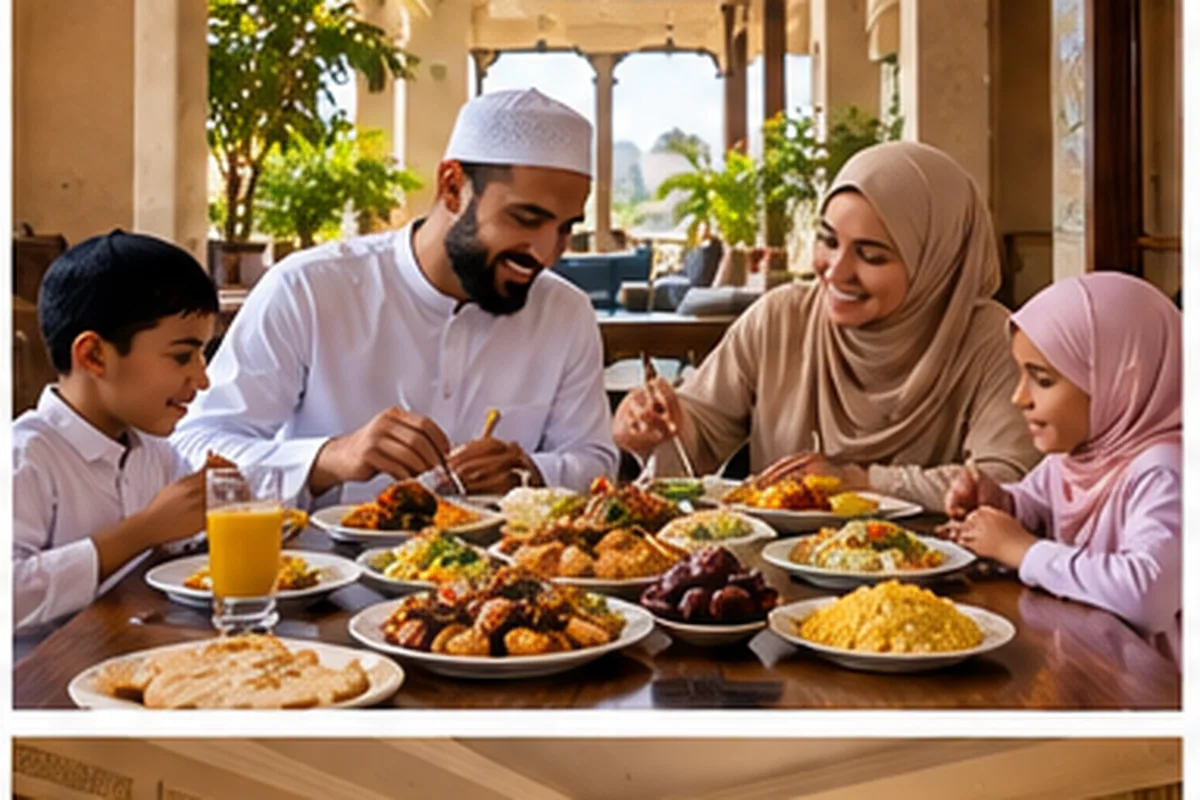
Mosques are easy to find in Muslim towns, and hosts will generally point you to the nearest one. Halal meat is the norm in Muslim-majority areas, while in mixed or tourist settings it is wise to ask.
Families with children will find a warm welcome, though long days between checkpoints can be tiring. Build in rest, bring snacks and water, and keep one flexible day per week. Women travelling alone usually benefit from a trusted host or guide.
A sample week
Days one and two: Bethlehem, with the old town, the Church of the Nativity and a local meal or community visit. Day three: Jerusalem, if access conditions allow, otherwise Ramallah and Birzeit nearby.
Days four and five: a walking section of the Masar trail with a homestay. Day six: Nablus, the old city and sweets. Day seven: Jericho or free time. Treat the order as a starting point, since closures may require changes.
Ramadan and Eid
In Ramadan, evenings become the main social time, and iftar invitations are common. Daytime hours for shops and museums may be shorter, and some restaurants open only after sunset.
Eid brings family gatherings and busy roads between towns. If you are travelling then, book early and allow extra time for every journey.
Frequently asked questions
What is the best time to visit Palestine?
Spring and autumn are usually the most comfortable for walking and sightseeing. Summers can be hot in the lowlands and winters wet in the hills. Holy days and feasts bring crowds, so check dates before booking.
Can I do a walking holiday in Palestine?
Yes. Masar Ibrahim al-Khalil is a 330 km cultural trail through villages, with local hosts, guides and homestays. You can walk a short section rather than the whole route. Contact the organisers for current information.
How much should I plan for in one trip?
Less than you think. Movement between towns can be slow because of checkpoints and closures, so a base in one or two places with day trips usually works better than a rapid tour. Keep spare time in each day.
Does this site sell tours in Palestine?
No. This is an independent information page with no booking service. Use the organisations listed, compare local guides yourself, and confirm in writing what a stay or tour includes before paying.
Useful organisations and links
- Masar Ibrahim al-KhalilCultural hiking trail of 330 km through Palestinian villages, with local hosts, guides and homestays.
- Holy Land TrustPalestinian non-profit founded in 1998, running community programmes and visitor experiences around Bethlehem.
- Bethlehem MunicipalityOfficial city site with visitor information on tourism, events and hotels in Bethlehem.
Links to third-party organisations with no commercial tie to this site. Always check conditions with them directly.