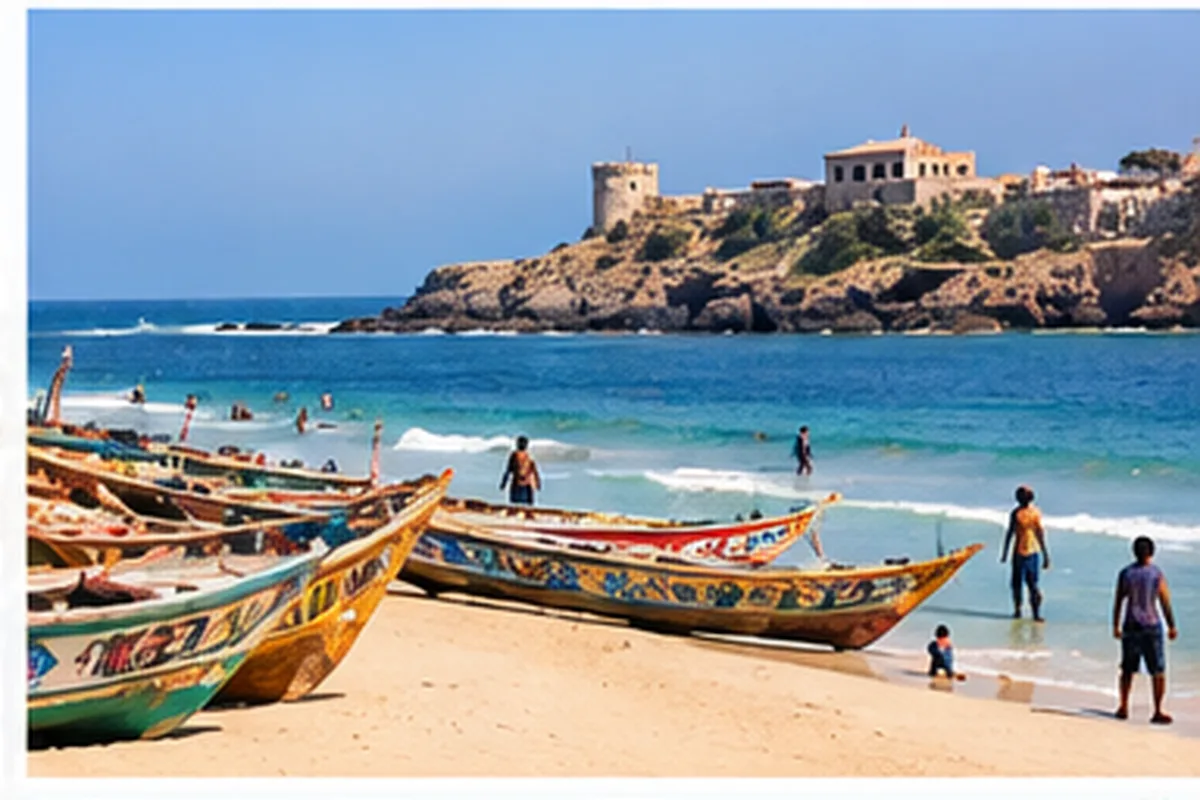
A cultural journey, not a beach week
Syria's appeal lies in its old cities, mosques, markets and archaeological sites. Those who go usually travel with a licensed guide and a clear programme rather than improvising from town to town.
Because many governments publish warnings about Syria, the first step is always to read current official advice and confirm insurance. Everything else on this page assumes that this check has been done.
Damascus Old City in two days
A two-day private tour, as offered by Syrian Guides, covers the Umayyad Mosque, souks and the Citadel, with visa assistance as part of the package. Other sights in the Old City include Al-Hamidiyah Souk, Azm Palace, caravanserais and Straight Street.
Take a slow pace. Lunch in a courtyard restaurant, a short rest at prayer time and an evening walk when the markets cool down make the city easier to enjoy.
Beyond the capital
Well-known places include Aleppo, Hama with its historic mosques, Bosra, Palmyra and the Krak des Chevaliers. Whether each can be visited, and how, depends on current conditions and local advice.
The antiquities directorate reported the reopening of the National Museum in Damascus and restoration work on a mosque in Hama, which shows that access evolves. Ask your operator for the latest status rather than trusting older travel writing.
Daily routine on a Syrian trip
Start early, because mornings are cooler and shops and sites open before the midday break. Plan your prayers around mosque visits, and ask your guide to build short stops into the route.
Food is mostly simple and local: grilled meats, mezze, bread, olives and sweet pastries. Ask about the meat, check desserts for alcohol and keep bottled water with you.
- Men and women should cover shoulders and knees, and women should carry a scarf for mosques.
- Ask permission before photographing people.
- Keep cash for small purchases, and check whether cards will work.
Getting there and moving around
Syrian Airlines, the national carrier, offers online flight search and booking, and some operators arrange transfers from Beirut by road. Check borders, flight schedules and current rules close to departure.
Within the country, a private driver with a guide is usually easier than public transport for visitors. Agree route, price and stops in writing before you begin.
Budget and practicalities
Costs vary widely, and banking arrangements for foreign visitors can be complicated. Ask your operator which payments are made in advance and which are made locally.
Keep a reserve for flight changes and delays, buy travel insurance that covers the countries and activities involved, and keep emergency contacts with a trusted person at home.
Ask your operator for a written itinerary showing every night's accommodation, the driver's name and the person to call if plans change. A clear paper trail is useful for insurers as well as for your own peace of mind.
Families, women and solo travellers
Families are welcomed in most settings, and children draw friendly attention in markets. Women usually find modest dress and a guide helpful, especially when travelling between cities.
Solo travel is possible for some, but the level of risk depends on conditions. Many travellers choose small groups for company and logistical support.
Whatever your profile, share your itinerary with someone at home, carry a charged phone with a local contact number, and keep your guide's details in writing.
Ramadan, Eid and timing
Ramadan changes the rhythm of the day, with many places closed until sunset and the old quarters lively at night. It can be a rewarding time for Muslim visitors who want to join iftar and tarawih, but sites and eateries keep shorter hours.
Eid periods bring family travel and busy transport, so book early and confirm schedules with your operator.
Eid dates move about eleven days earlier each year, so check the calendar and leave buffer days at the start and the end of the trip instead of packing the schedule.
Frequently asked questions
When is the best time of year to visit Syria?
Spring and autumn are usually more comfortable for walking in old cities than the hottest summer months. Conditions, safety and entry rules matter more than season, so check official advice first and then choose your dates.
Do I need a guide?
For most visitors a licensed local guide or operator is the practical choice. They can help with permits, visits and transfers, and they know current access rules. Check their licences and ask exactly what is included.
Can I combine Syria with a trip to Lebanon?
Some operators arrange transfers from Beirut to Damascus, so combined itineraries are possible. Borders and rules can change, so confirm routes, documents and insurance for both countries before you book anything.
Is Ramadan a good time to travel there?
Many visitors find the evenings lively and meaningful, but daytime services and restaurants are limited. Opening hours shorten, so allow extra time and check what is open before planning long excursions.
Useful organisations and links
- Syrian GuidesLicensed Syrian tour company offering a two-day private Damascus tour, with visa assistance and transfers.
- Syrian AirlinesSyria's national carrier, with online flight search and booking.
- Directorate-General of Antiquities and MuseumsOfficial body for Syrian archaeological sites and museums, with history by era in Arabic, English and French.
Links to third-party organisations with no commercial tie to this site. Always check conditions with them directly.