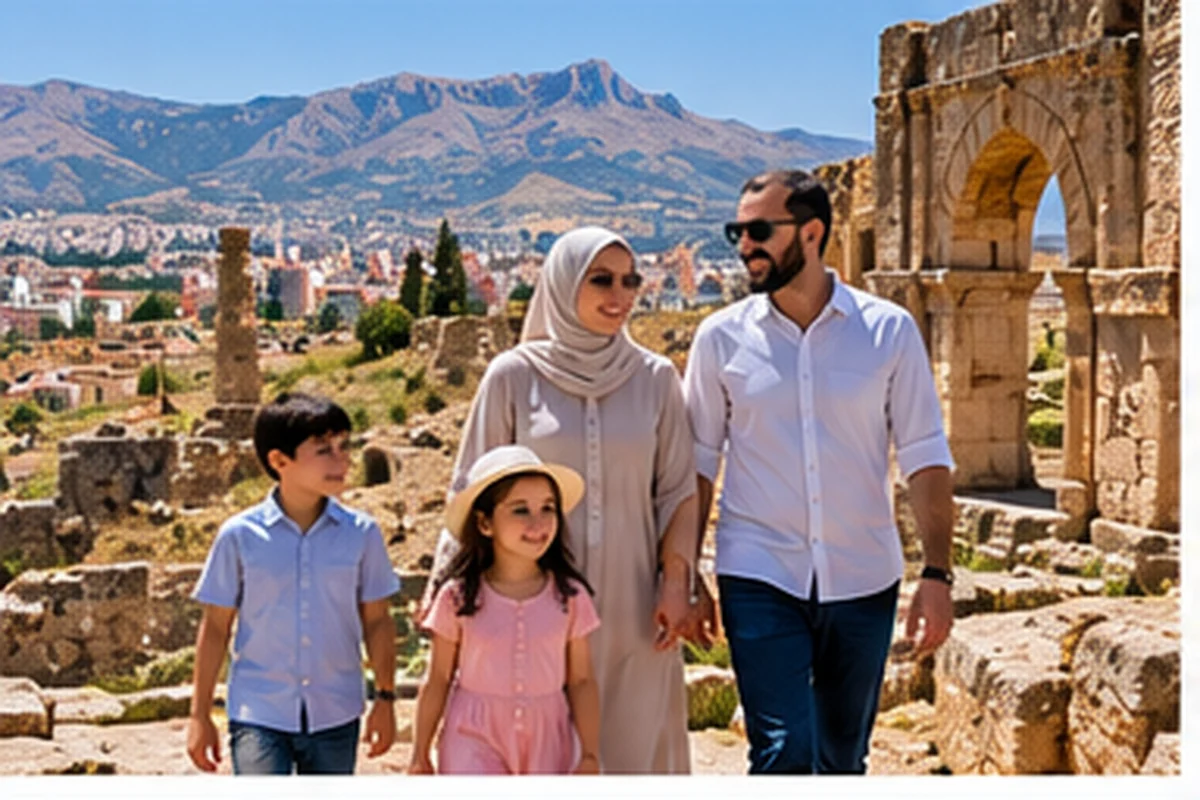
A Muslim country? Not quite a hotel guarantee
Islam has been part of Bosnian life for centuries, and visitors in Sarajevo, Mostar or Travnik will see mosques, minarets and a familiar call to prayer. That atmosphere sometimes leads travellers to assume that every hotel is run along Muslim lines. It is not.
Bosnia and Herzegovina is a mixed country with Muslim, Orthodox, Catholic and secular communities, and its hotels follow the same variety. A modern chain hotel in the capital will usually have a bar and a restaurant serving pork dishes next to other options, while a family guesthouse in a smaller town may keep a strictly alcohol-free house. The label on a booking site tells you very little; the hotel's own answers tell you much more.
What “Muslim-friendly” can mean in practice
There is no single definition, and two properties using the same words may offer quite different things. Treat the phrase as a list of features to confirm one by one rather than a quality mark.
Features that guests commonly look for include:
- no alcohol served on the premises, or at least not in the restaurant and minibar
- a kitchen that sources halal meat, with the supplier named
- a clean space for prayer and a qibla direction marked in the room
- a prayer mat and Quran available on request
Types of stay across the country
City hotels in Sarajevo cluster around Baščaršija, the old Ottoman bazaar quarter, and along the main pedestrian streets. They suit travellers who want to walk to mosques and restaurants, and the practical information on Sarajevo Navigator can help you compare neighbourhoods before choosing.
Outside the capital, the picture changes. Mostar, with its rebuilt Old Bridge, offers small pensions and guesthouses, often family-run. In the mountains near Sarajevo, ski-season hotels are used mainly by European guests and may be busy with groups. Spa and thermal hotels exist in several towns, but their pool and treatment rules vary, so ask about mixed bathing and hours.
Where halal certification comes in
Food is usually the central concern. The Agency for Halal Quality Certification, based in Tuzla, is the national certifier. It belongs to the Islamic Community in Bosnia and Herzegovina and refers to the national standard BAS 1049:2023, and it publishes lists of certified companies on its website.
A certificate normally covers a defined product or service, not an entire hotel by default. If a property says its kitchen is certified, ask which activity the certificate covers, who issued it and whether it is current. If it relies on a halal supplier instead, ask for the supplier's name and check it against the published lists.
Questions to ask before you book
A short message in English usually gets a clear reply from Bosnian hotels. Write it in a neutral way and keep the questions factual.
A useful checklist runs as follows:
- Is alcohol sold on the premises, and is pork cooked in the same kitchen?
- Which supplier provides the meat, and can a certificate be shown?
- Is there a place to pray, and which direction is the qibla from the room?
- Are family or connecting rooms available, and can a quiet room be requested?
- What are the breakfast hours, and can a meal be arranged before dawn in Ramadan?
Evidence worth asking for
Photos of the prayer space, a copy of the halal certificate or supplier invoice, and written confirmation of the answers by email are all reasonable requests. A hotel that is genuinely prepared will not mind providing them.
Red flags and how to read reviews
Be careful when a listing uses the words halal or Muslim-friendly but cannot say what they refer to, or when answers change from one message to the next. A vague reply such as “we can arrange something” is not a commitment; ask for details in writing.
Reviews help when they come from guests who describe specifics, such as the breakfast, the quiet in the evening or the qibla sticker in the room. Ignore reviews that only repeat the label. Remember that standards differ among travellers: some accept hotels that serve alcohol in a separate bar, others do not, and each guest decides according to their own conscience and the guidance they follow.
Frequently asked questions
Are all hotels in Bosnia and Herzegovina alcohol-free?
No. Many hotels, particularly in cities, ski areas and spas, have a bar and serve alcohol. Some smaller guesthouses do not. The only reliable way to know is to ask the property directly and request the answer in writing before booking.
Does halal certification in Bosnia cover a whole hotel?
Not automatically. Certification by the national agency refers to defined products or services under the national standard. If a hotel mentions a certificate, ask what exactly it covers, who issued it and whether it is still valid.
How can I find the qibla direction in a hotel room?
Ask reception whether the room has a marker. If not, a compass app on your phone works, as does the direction of the nearest mosque. Many travellers check this on arrival, since a request in advance is rarely refused.
Can I rely on Sarajevo being easy for Muslim guests everywhere?
Sarajevo has many mosques and halal restaurants, so everyday needs are often simple to meet. Even so, individual hotels differ, and outside the capital choices are narrower, so confirm each property instead of relying on the city's reputation.
Useful organisations and links
- Agency for Halal Quality Certification (Agencija za certificiranje halal kvalitete)National halal certifier in Tuzla, owned by the Islamic Community; publishes certified-company lists and refers to the standard BAS 1049:2023.
- Sarajevo NavigatorCity guide to Sarajevo with information on where to stay, where to eat, getting around and things to do.
Links to third-party organisations with no commercial tie to this site. Always check conditions with them directly.