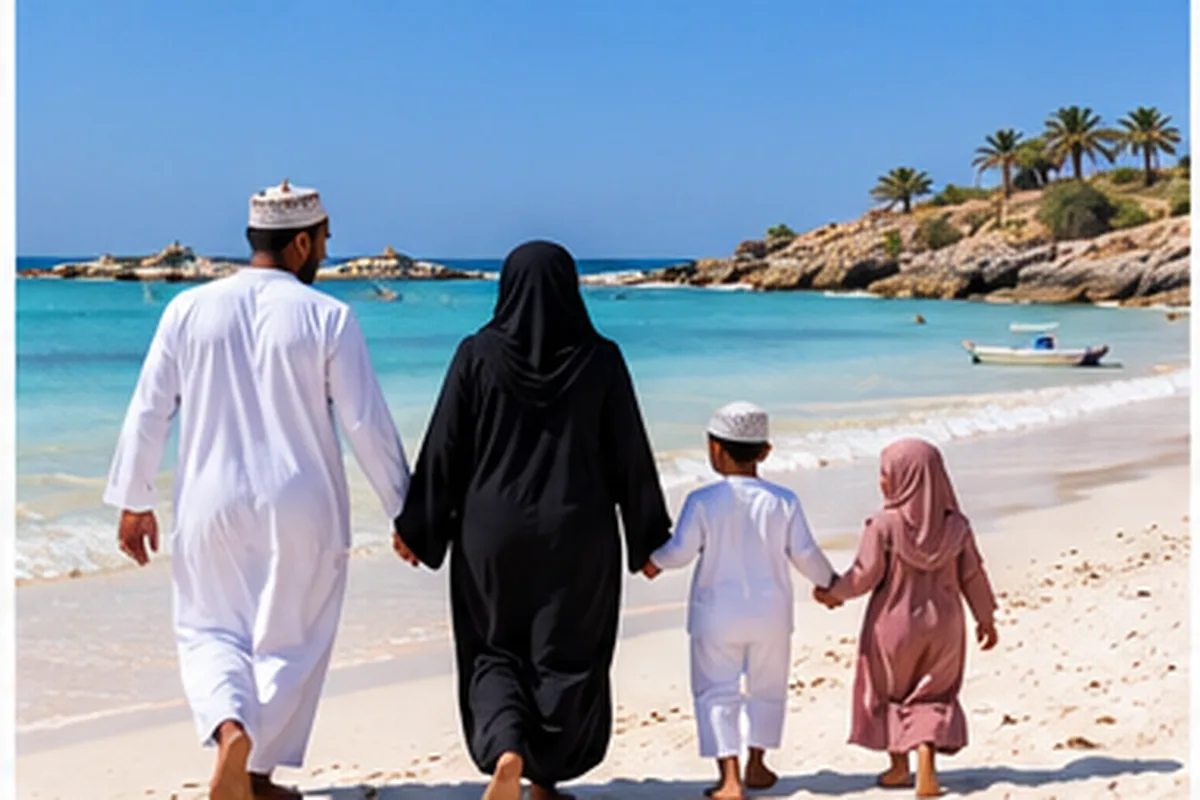
What to expect from Tunisian hotels
Tunisia is a Muslim-majority country, and local culture is respectful of religious practice. Yet the coastal hotel industry grew up around European tourism, and many large hotels have bars, mixed pools and evening entertainment.
So the question is rarely whether a hotel can feel Muslim-friendly, but which features it actually offers. The sections below help you turn a general impression into concrete answers.
Hotel types
Choices range from big all-inclusive clubs to small guesthouses in old town houses and tented camps at the edge of the desert.
All-inclusive club hotels
Seabel Hotels operates family club hotels in Djerba and Port El Kantaoui, including Seabel Rym Beach, Aladin and Alhambra. Their site describes all-inclusive stays, but it does not set out halal arrangements, so those need confirming with the hotel.
Boutique hotels and medina guesthouses
Often quieter and more traditional, with courtyards and a home-style breakfast. They are popular for couples and cultural trips, and can be easier to ask about meals.
Desert camps and oasis hotels
Simple rooms or tents, with set meals. Ask in advance about the kitchen and the sleeping arrangements for families.
Regions and their hotel scene
Djerba, Hammamet and the Sousse area concentrate the large resorts, and offer the widest choice of formulas and prices. Tunis and its surroundings have city hotels and guesthouses, with easy access to mosques.
In the south, around Tozeur and Douz, hotels are fewer and distances longer, so check transfers as well as rooms. The national tourism office portal includes a directory of agencies, hotels and restaurants that can help you shortlist.
What Muslim-friendly can mean in practice
Because the term has no official definition, build your own list. Many guests care about some of the following, though few expect all of them.
- Halal meat in the restaurant and a kitchen that does not use alcohol in cooking.
- Alcohol-free dining areas, or a hotel that does not sell alcohol at all.
- Qibla direction in the room and a prayer mat on request.
- A quiet corner or room for prayer, and early breakfast during Ramadan or for Fajr.
- Family rooms and connecting rooms.
- Separate pool hours or a spa with women-only times.
- A mosque within a short walk, with the call to prayer audible or timed in the hotel.
How to verify before paying
Write directly to the hotel by email and ask specific questions rather than relying on a booking-site description. Ask whether alcohol is sold on site, whether the beach and pool are mixed, and how halal meat is sourced.
Request written answers and keep them. If the hotel is part of a group, ask the property itself, not only the central reservation office. Scholars and travellers differ on how strict to be about hotels that serve alcohol, and each reader follows their own school or scholar.
Red flags
Be careful when a hotel promises everything without details, when its answers change between messages, or when it will not reply before payment.
Photos that show only the best corners are another warning sign. Ask for pictures of the dining room, the pool area and a standard room, and compare them with recent guest reviews.
Booking terms and practicalities
Compare board options carefully. All-inclusive stays simplify budgeting, but may include alcohol in the price and leave less control over dining. Half board or bed and breakfast gives more freedom to eat outside.
Choose flexible cancellation where possible, especially for summer and Eid periods when hotels fill early. Tunisair, the national airline, offers special assistance and online check-in if your party needs them, and the Tunisian dinar is the local currency.
Frequently asked questions
Are all hotels in Tunisia halal because it is a Muslim country?
No. Halal meat is common, but many tourist hotels also serve alcohol and have mixed pools. The practice differs from one property to another, so ask directly and get the answers in writing before you pay.
Can I find an alcohol-free hotel?
It is possible, mainly among smaller or traditional properties, but large resorts usually have a bar. Ask whether alcohol is sold or served at all, and whether it is included in an all-inclusive formula.
Do hotels provide prayer mats and the qibla direction?
Some do on request, particularly in a Muslim-majority setting, but it is not guaranteed. Ask in advance, and bring a small mat and a compass app as a back-up. Written confirmation helps.
Is half board better than all-inclusive?
It depends on your priorities. Half board lets you choose restaurants outside the hotel and avoids paying for alcohol you will not use. All-inclusive is simpler for families who plan to stay on site.
Useful organisations and links
- Seabel Hotels TunisiaAll-inclusive family club hotels in Djerba and Port El Kantaoui; halal arrangements should be confirmed with each hotel.
- ONTT – Discover TunisiaOfficial tourism office portal with a directory of agencies, hotels and restaurants, useful for shortlisting where to stay.
Links to third-party organisations with no commercial tie to this site. Always check conditions with them directly.