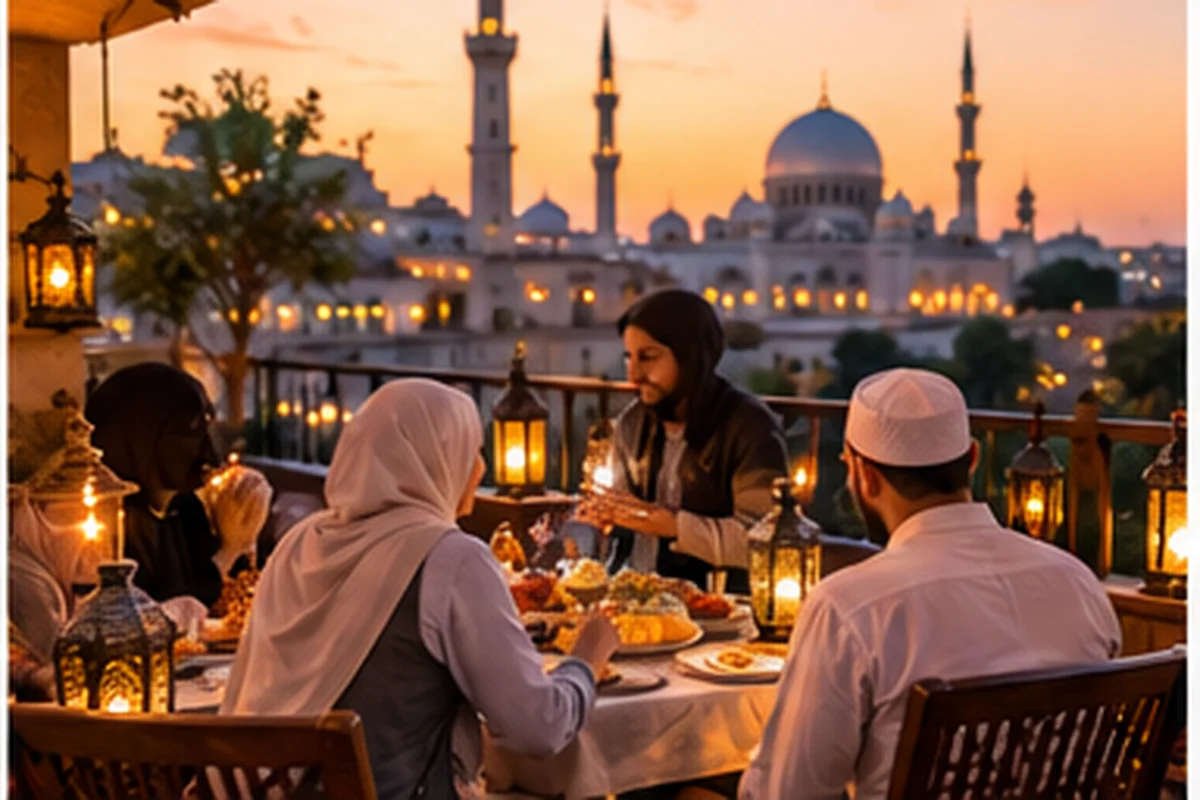
Al-Andalus and the shape of modern Spain
Islamic rule in the Iberian Peninsula lasted for centuries and left monuments, irrigation systems, music and vocabulary that remain part of Spanish life. Today Spain is a Catholic-majority country with a Muslim population that includes long-settled communities, converts and newer arrivals.
That mix explains the visitor experience. Heritage sites are well presented and widely visited, while daily practicalities such as halal food and prayer space depend on the city and on preparation.
Travellers who understand this background tend to enjoy the country more, because its monuments make sense as part of one continuous story rather than as isolated tourist stops.
The monuments that anchor most trips
Andalusia's tourism site highlights the Alhambra and Generalife in Granada, the Mosque-Cathedral of Córdoba, the Giralda in Seville and the Arab baths found in several cities. These four or five stops form the classic Al-Andalus circuit.
The Córdoba monument has an official visitor site with tickets, opening hours, visit rules and history. A third-party site with a similar name resells tickets, so use the official page. Plan ahead for timed entries in busy months.
Visitors with limited time often choose Granada and Córdoba first, since each can be covered in a day or two and both are well connected by train and road to Seville and Málaga.
Regions beyond Andalusia
The south is not the only reason to visit, and several regions offer a different experience.
Madrid and central Spain
Madrid has world-class museums, large parks and a diverse population, with several mosques and many halal restaurants. Toledo, a short train ride away, shows the layered Christian, Muslim and Jewish past.
Catalonia and the Mediterranean
Barcelona is a major city break with a significant Muslim community, while the Costa Brava, Valencia region and Balearic Islands attract beach holidays.
The north and Atlantic coast
The green north, with its cities, seafood and cooler summers, suits travellers who want to avoid the heat of the south and are comfortable with fewer mosques and halal options.
Trip types
A heritage route by train works for couples, friends and older travellers, linking Madrid, Córdoba, Seville and Granada in a week or more. Families often prefer a coastal base with day trips, choosing apartments for kitchen access.
Students and groups can pair a university city with heritage sites. Solo travellers will find hostels and city hotels easy to book, and women travelling alone usually find public transport and city streets comfortable, as in most European countries. Wherever you go, a loose plan with fixed prayer and meal points is better than a packed one.
Language is rarely a barrier in the main tourist areas, where English is common in hotels, museums and stations, although a few words of Spanish help in smaller towns, markets and family-run restaurants.
Halal food, certification and who stands behind it
Two bodies come up often. Instituto Halal has an office in Córdoba and certifies food, cosmetics, pharmaceuticals and chemicals through an audit process. The Comisión Islámica de España is the representative Muslim body, promotes an official Spanish halal certificate and offers Islamic religious assistance in hospitals.
Neither body runs a travel service, and certification mostly concerns products and producers rather than restaurants. Visitors should therefore treat a halal sign on a door as a starting point and ask where the meat comes from if this matters.
Moving between regions
High-speed trains connect major cities, and Renfe is the national operator, so a rail-based itinerary is realistic and comfortable. Flights suit the islands and long distances, and car rental helps in rural areas and on the coast.
The national tourism portal Spain.info is a good place to begin gathering ideas for routes, culture and practical information before booking.
Outside the high-speed network, regional trains and buses are slower but cover most towns, and booking online in advance usually gives lower fares than buying at the station. Large stations and airports often have a quiet corner where a short prayer is possible, although this is never guaranteed and should not be assumed.
Ramadan, Eid and seasons
The Muslim calendar moves through the Gregorian year, so Ramadan in Spain can fall in a cool winter or a long hot summer. Summer fasting days are very long, and southern heat adds strain; winter and spring are gentler months for sightseeing.
Mosques in larger cities hold community iftars and Eid prayers, and visitors are generally welcomed by local communities. Shops follow Spanish hours, so plan meals before closing times.
Eid prayers are usually held at large mosques or prayer grounds, and the schedule is announced locally, so check with the nearest community centre if you want to join.
Frequently asked questions
What are the main Islamic heritage sites in Spain?
The Alhambra and Generalife in Granada, the Mosque-Cathedral of Córdoba and the Giralda in Seville are the best known, along with Arab baths in several cities. Andalusia's official tourism site covers these sites.
Is there a national halal certification in Spain?
The Comisión Islámica de España promotes an official Spanish halal certificate, and Instituto Halal, based partly in Córdoba, certifies food and other products. Certification mostly applies to products, so ask restaurants about sourcing.
Which season suits a heritage trip best?
Spring and autumn are the most comfortable for visiting southern cities. Summers can be very hot, and winter can be cold in Madrid and the north. Book Alhambra and Córdoba tickets early in busy months.
Where should I buy Córdoba Mosque-Cathedral tickets?
Use the monument's official visitor site, which lists tickets, opening hours and visit rules. A similar-looking domain is a third-party reseller, and prices and conditions can differ from the official channel.
Useful organisations and links
- Turismo de AndalucíaOfficial Andalusia tourism site covering the Alhambra, the Mosque-Cathedral of Córdoba, the Giralda and Arab baths.
- Mosque-Cathedral of Córdoba – official siteOfficial visitor site with tickets, opening hours, visit rules and the history of the former mosque and cathedral.
- Spain.infoSpain's official tourism portal for destinations, routes, culture, visas and getting around.
Links to third-party organisations with no commercial tie to this site. Always check conditions with them directly.