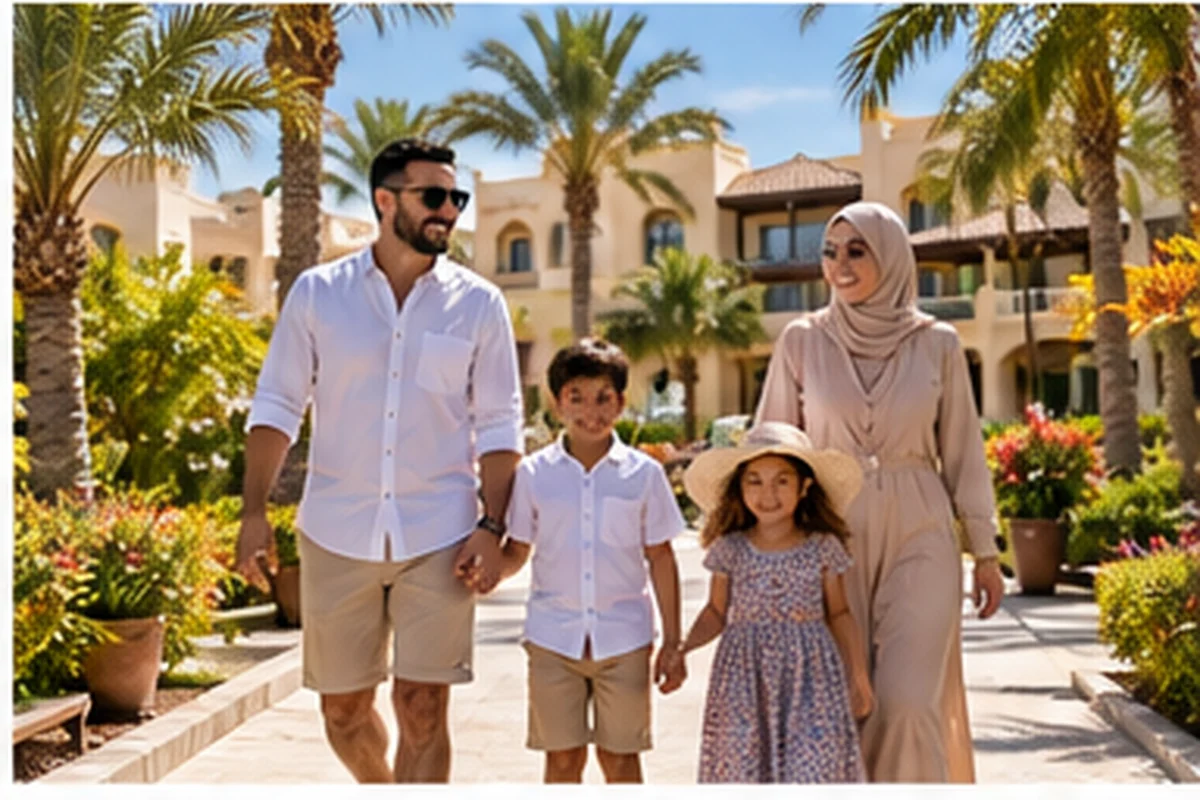
Why France suits many Muslim travellers
France has one of the largest Muslim populations in Europe, so mosques, halal butchers and North African, Turkish and Middle Eastern restaurants are part of everyday life in most big cities. A visitor rarely feels isolated, especially in Paris, Lyon and Marseille.
At the same time, the state is secular and tourism is not organised around religion. There is no national halal label for hotels or holiday packages, which means each traveller builds the trip, checks the food and finds prayer spaces without a ready-made framework.
Paris and the Île-de-France
Most first visits start in Paris. The Institut du monde arabe, beside the Seine, is a cultural centre and museum devoted to the Arab world. It is closed on Mondays, and its Dar Mima restaurant and cafés are open Tuesday to Sunday. Ask the venue directly if halal sourcing matters to you.
The Grand Mosque of Paris is a well-known landmark and a natural stop for prayer and a visit, though opening hours for tourists change, so check before going. Versailles and the Loire châteaux make easy day trips by rail.
Regions beyond the capital
Each region has a different character, and each suits a different kind of holiday.
Provence and the Mediterranean coast
Marseille, Nice and the villages of Provence combine sea, markets and a strong North African influence in food and daily life. Summer is hot and crowded, so spring and early autumn are calmer.
Lyon, the Alps and the Jura
Lyon is a gastronomic city with a sizeable Muslim community, and the Alps offer hiking in summer and skiing in winter. In the mountains, halal options thin out quickly, so many travellers self-cater.
Alsace, Brittany and the Atlantic
Strasbourg and the Alsace wine road suit slow, scenic trips, while Brittany and the Atlantic coast offer cliffs, beaches and seafood, a useful fallback when halal meat is hard to find.
Trip types worth considering
The type of trip changes what you need to organise.
- City breaks: Paris, Lyon, Marseille, Strasbourg, with the widest choice of halal restaurants and mosques.
- Family villages: Center Parcs France presents 28 nature-based holiday villages across Europe, with cottages and water parks. Confirm halal catering and any swimming-hours arrangements with the village before booking.
- Nature and road trips: gorges, lakes and national parks, where picnics and self-catering are often the practical choice.
- Cultural routes: cathedrals, châteaux and museums, best paced at two or three nights per base.
Eating halal in France
The French halal market is mature. Certified butchers and restaurants exist in most large towns, and AVS, a halal certification association active since 1991, approves butcher shops and restaurants. Several certifying bodies operate in France and their standards are not identical, so some travellers ask which body a shop uses.
In smaller towns, expect to rely on fish, vegetarian dishes and supermarket basics. Cheese, pastries and sauces can contain gelatine, animal rennet or alcohol, so reading labels and asking politely is normal and rarely causes offence.
Prayer, dress and Ramadan
Mosques are easy to find in cities and many towns, but museums and attractions rarely provide prayer rooms. A quiet corner of a park, a hotel room or a station mosque nearby often does the job. Prayer-time apps help with the qibla and with timing, which shifts a lot between summer and winter.
Headscarves are common in the street. French law forbids covering the face in public places, so women who wear a face veil should read the official guidance beforehand. Public swimming pools set their own swimwear rules, which differ from one operator to another, so ask before you go.
If you travel during Ramadan, restaurant hours and the length of the fast vary by season, and Eid is celebrated mostly in mosques and with family rather than as a public holiday.
Getting around and a week-long sample plan
France is well served by trains, and SNCF Connect lets you search and book high-speed, regional and international services. Cities are easy without a car, while rural regions are better by rental car.
A balanced first week might look like this:
- Nights 1 to 3: Paris, with the Institut du monde arabe, the Grand Mosque and a day at Versailles.
- Nights 4 and 5: Lyon, reached by high-speed train, for food and old-town walks.
- Nights 6 and 7: Marseille or Nice for the sea, then a train back or onward.
Frequently asked questions
Is it easy to find halal food in France?
In large cities, yes: certified butchers and restaurants are common. In villages and mountain areas the choice shrinks, so plan for fish, vegetarian meals or self-catering, and ask staff about ingredients rather than assuming. Certifying bodies differ, so check what a label means.
Are there halal hotels in France?
There is no official halal hotel category in France. Some hotels and villages cater to Muslim guests in practice, but you should ask about the kitchen, alcohol, prayer facilities and room layout directly before booking, and keep the answers in writing.
Can women wear the hijab while travelling in France?
Headscarves are widely seen in public and tourists wear them without difficulty. A law bans covering the face in public places, so those who wear a face veil should consult the official government guidance before travelling.
When is the best time to visit France?
Spring and early autumn offer mild weather and smaller crowds in most regions. Summer suits the coast and the Alps but is busy and hot, and during Ramadan in summer the fasting day is long, so choose lighter itineraries.
Useful organisations and links
- France.fr (Atout France)Official national tourism website with destinations, itineraries, events and practical information for visiting France.
- Institut du monde arabeParis cultural centre and museum on the Arab world, with a restaurant and cafés; closed on Mondays.
- SNCF ConnectTrain search and booking for high-speed, regional and international services across France.
Links to third-party organisations with no commercial tie to this site. Always check conditions with them directly.