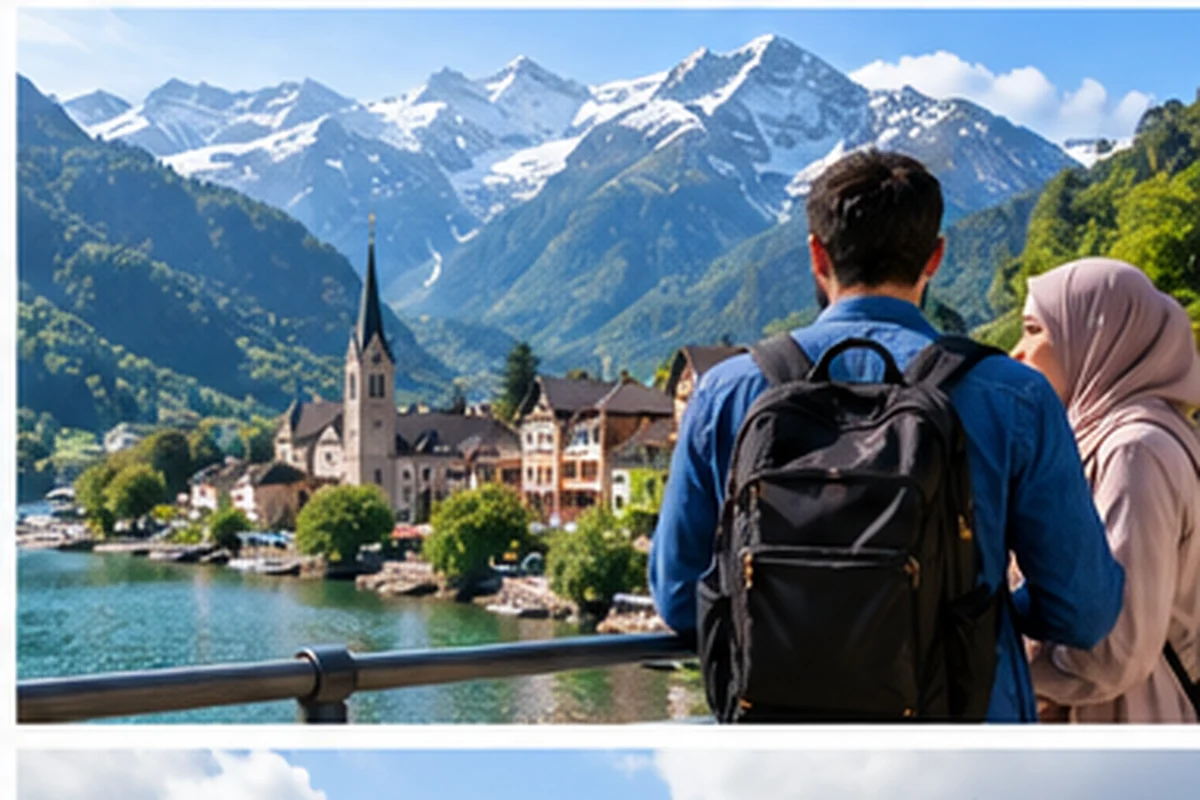
A country of several landscapes
Algeria is so large that it behaves like several destinations. The northern strip holds most cities, beaches and archaeological sites. Behind it lie mountain ranges and high plateaus, and beyond them the Sahara covers most of the territory.
Arabic and Tamazight are official languages, and French is widely understood in cities. Islam shapes the calendar, the food and the rhythm of the day, which many Muslim visitors find comfortable.
Travellers should treat the country as a series of regional trips rather than a single circuit. A first visit usually works best when focused on Algiers and one other area, with the rest kept for later journeys.
Algiers and its surroundings
Most journeys begin in Algiers, where the Casbah, a UNESCO-listed old quarter, overlooks the bay. The Great Mosque of Algiers, Djamaa el Djazair, was inaugurated as the world's third largest mosque and is one of the capital's landmarks.
The coast to the west offers Tipaza and its Roman ruins, while the hills to the east lead towards Kabylie. A few days here make a good introduction to the country.
Heritage cities of the north
Constantine stands on a gorge and is known for its bridges. Tlemcen preserves Andalusian-influenced architecture and old mosques. Oran is a lively port city, and Annaba and Béjaïa combine seafront and hills.
The Roman sites of Timgad and Djémila bring a different layer of history into the interior, and can be combined with Constantine or Sétif by road.
The Sahara and the M'zab
The south offers dunes, oases and the Tassili n'Ajjer plateau, famous for rock art. The M'zab Valley around Ghardaïa shelters a cluster of traditional towns of the Ibadi community, known for their planning and their mosques.
Desert travel is best organised with a local guide or operator, because routes, permits and security conditions can change. The tourism ministry is the first place to look for current information.
Trip types
Beach and family holidays work best from June to September on the Mediterranean coast. Culture and heritage trips suit spring and autumn. Desert journeys are a winter choice.
Religious and heritage tourism, including mosques and zawiyas, appeals to many Muslim visitors, but visiting hours and dress expectations differ from site to site, so check locally.
Visits to family are an important reason for travel, and many trips combine relatives with sightseeing. In that case, accommodation and meals are often arranged privately, and planning concentrates on transport and timing.
- Seaside and family stays
- Roman and Islamic heritage circuits
- Desert and rock-art journeys
- City breaks in Algiers, Oran or Constantine
- Visits to family combined with sightseeing
Practicalities for Muslim travellers
Everyday food in restaurants and markets is generally halal, though visitors who need certainty can ask. Prayer is easy in cities, with mosques close to most districts, and Friday is the weekly day of rest.
Modest, comfortable clothes are the norm, with headscarves common but not universal. The page on hotels discusses what to ask before booking, and the holidays page gives a seasonal itinerary.
During Ramadan, daily rhythms shift: shops and cafés open later, evenings are lively after iftar, and some restaurants close during the day. Eid brings family gatherings and busy roads, so allow extra time.
Getting there and moving around
Air Algérie lists more than 50 international and 30 domestic destinations, and offers assistance for passengers with specific needs and a meal reservation service. Halal meals are not specifically mentioned on its homepage, so ask when booking.
Algiers airport is the usual entry point. Trains, buses and shared taxis connect northern cities, and internal flights save time in the south.
Planning and official information
Entry requirements and travel advice change, so rely on the official ministry and your own government's pages. Book early for summer and Eid, and keep itineraries compact, since distances are long.
A simple rule helps: choose one region, add a second only if time allows, and leave margin for transport delays.
Keep digital and paper copies of travel documents, and confirm hotel addresses in Latin script and Arabic for taxi drivers.
Frequently asked questions
What are the main attractions in Algeria?
Highlights include the Casbah and Great Mosque of Algiers, Roman sites such as Timgad, Djémila and Tipaza, the bridges of Constantine, Tlemcen's heritage and the Sahara with the Tassili n'Ajjer plateau and the M'zab Valley.
Is food in Algeria halal?
In a country where most people are Muslim and pork is not part of local cooking, everyday meat is generally halal. Visitors who need certainty can ask restaurants about their suppliers, especially in hotels that cater to international guests.
Which language do I need?
Arabic and Tamazight are official, and French is widely spoken in cities and tourism services. English is understood in some hotels and airports but less commonly elsewhere, so a few phrases of Arabic or French help.
Where can I find official travel information?
The Ministry of Tourism and Traditional Crafts publishes information on destinations and activities. For airline and airport details, consult Air Algérie and Algiers airport. Always check your own government's advice for entry rules and security.
Useful organisations and links
- Ministry of Tourism and Traditional Crafts (Algeria)Official site on Algerian destinations, tourist activities, traditional crafts, e-services and news, mostly in French.
- Air AlgérieNational airline with routes, travel documents, baggage rules, special assistance and meal reservation.
Links to third-party organisations with no commercial tie to this site. Always check conditions with them directly.