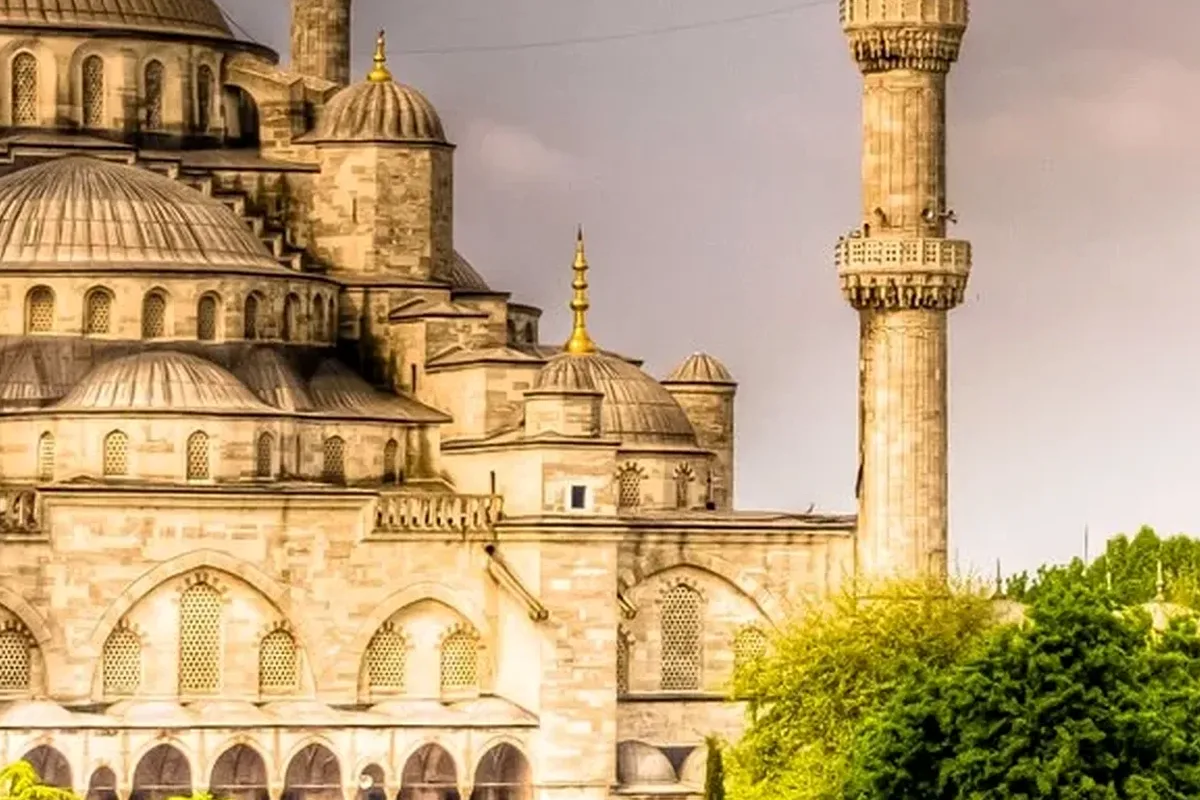
What the label can and cannot tell you
In Thailand, 'Muslim-friendly' has no official definition for hotels. It may mean halal meals on request, a mosque nearby, a prayer mat in the room or a staff who understand dietary restrictions. It may also mean nothing beyond a marketing phrase.
The national halal system is run through the Central Islamic Council of Thailand and its halal platform, and it applies to products and establishments that apply for the mark. A hotel without that mark may still offer suitable food, but the burden of checking falls on you.
Types of accommodation
The range is wide. City business hotels in Bangkok, boutique guesthouses, beach resorts, island bungalows and private pool villas all exist, with very different levels of service.
Large resorts
They have several restaurants and many services, but also bars, spas and mixed pools. Banyan Tree Phuket, a 217-villa resort in Cherngtalay with five restaurants, is one example; its page does not state halal arrangements, so each request should be confirmed with the resort.
Guesthouses and small hotels
Often family-run and more flexible about meals. In southern towns with Muslim owners, halal food and a nearby mosque are frequently the norm, though you should still ask.
Regions and what changes between them
In Bangkok, mosques and halal restaurants are spread across several districts, so a hotel near the sky-train or metro gives access to them. On the Andaman coast, tourist resorts dominate and halal arrangements depend on the individual property.
In southern provinces with large Muslim communities, such as Satun, the surrounding environment makes prayer and food easier. Check official government travel advice before planning stays in the far south, since conditions vary.
Features Muslim guests commonly look for
Not every feature is available in every property. Decide which are essential and which are only preferable.
- Halal meals, with a clear statement of how the meat is sourced and prepared.
- An alcohol-free restaurant or at least a separate dining area.
- Qibla direction in the room and a prayer mat on request.
- Family and connecting rooms.
- Private pool villa, or pool and spa times set aside for women or families.
- Prayer-time services such as an early breakfast for Fajr.
- A mosque within a short ride, using the national mosque directory.
Using the halal reference tools
The Central Islamic Council of Thailand publishes a mosque directory and a prayer-place finder, and links to the platform for checking halal status. Use the mosque directory to measure the distance from a hotel you are considering, and the halal search to check whether a named product or establishment is registered.
The site is in Thai, so you may need a translation tool. Where a hotel claims certification, ask for the certificate number or a photo, and compare it with the official check.
Questions to send before you book
Send a short email rather than using a chat widget, and ask for written answers. Ask whether the kitchen is shared with pork, whether the halal meat comes from a supplier, and who in the hotel can confirm it on the day. Ask if the resort can empty the minibar or offer a room away from the bar.
Scholars and travellers differ on how strict to be about hotels that also serve alcohol, and each reader follows their own school or scholar. What matters is that you decide before arrival, not at the front desk.
Red flags and booking terms
Be cautious if a property claims every guest need is covered but gives no details, if the answers change between emails, or if it avoids replying before payment is taken.
Prefer rates with flexible cancellation, particularly in the rainy season when plans may change. Check what is included in the price, such as breakfast, taxes and airport transfers. Keep your written confirmations and show them at check-in if there is any misunderstanding.
Frequently asked questions
Is there an official halal rating for hotels in Thailand?
There is a national halal mark run through the Central Islamic Council of Thailand and its platform, but most hotels do not display it. Ask each hotel what it can document, and request proof where certification is claimed.
Can I find alcohol-free resorts?
Some smaller or Muslim-owned properties, particularly in the south, may not serve alcohol, but large resorts usually do. Ask directly whether alcohol is sold on site and whether a room away from the bar is available.
How do I find a mosque near my hotel?
The Central Islamic Council of Thailand publishes a mosque directory and a prayer-place finder. Use them before you book to check the distance, then confirm Friday prayer times locally, because they can differ by mosque.
Is a luxury resort more likely to offer halal food?
Not necessarily. A high price does not mean halal arrangements. Some luxury resorts can arrange halal meals on request, while others cannot. Confirm in writing what the resort can provide and how it is prepared.
Useful organisations and links
- Central Islamic Council of Thailand (CICOT)National Islamic body with a halal mark, halal product search, mosque directory and prayer-place finder; the site is in Thai.
- Banyan Tree PhuketLuxury pool-villa resort in Cherngtalay; its page does not state halal arrangements, so requests must be confirmed with the resort.
Links to third-party organisations with no commercial tie to this site. Always check conditions with them directly.