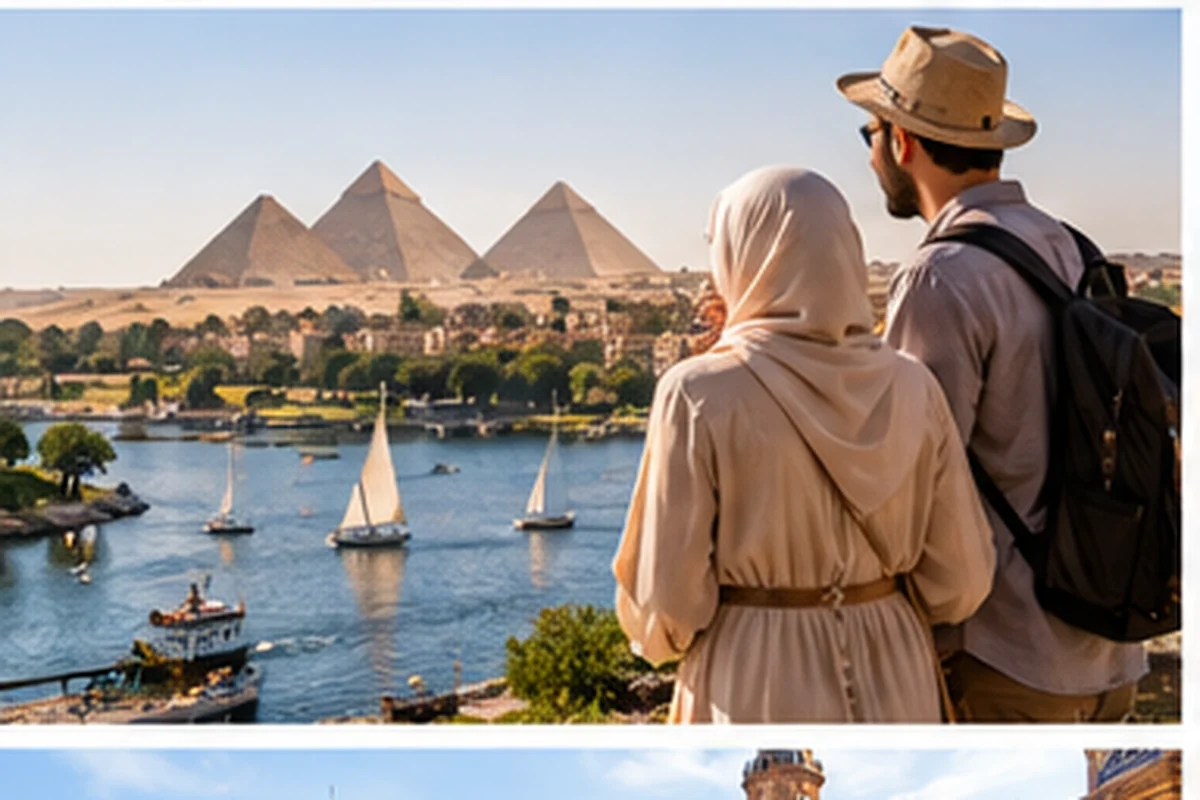
A country of contrasts
Thailand's population is mainly Buddhist, and Muslims form a minority that is strongest in the south, with communities in Bangkok and other cities too. This mix is visible in the food, the mosques and the markets, and it shapes the kind of holiday you can have.
The country is a mature destination with strong infrastructure. You can do a short city break, a beach week or a longer circuit, and the planning questions are similar: where to eat, where to pray and which accommodation fits your preferences.
Highlights worth planning around
Bangkok is the starting point for most visitors. The Grand Palace is its best-known monument, with official opening hours of 8:30 to 16:30 daily and tickets sold until 15:30. Markets, river boats and a large choice of food make the city lively.
In the north, Chiang Mai and its surrounding hills offer culture and nature. In the south, the Andaman coast has limestone cliffs, beaches and islands, while the Gulf side has its own island groups.
Further afield, Ayutthaya's ruined temples and the islands of the Gulf of Thailand suit travellers with more time. Each region has its own pace, so avoid packing too many stops into a short stay.
Regions and their character
Think of Thailand as four broad areas, each suited to a different kind of holiday.
Bangkok and the centre
Big-city sightseeing, museums, shopping and food. Mosques and halal eateries exist in several districts.
The north
Cooler hills, temples, trekking and craft towns. Halal options are fewer, so pack snacks and plan meals.
The Andaman coast
Phuket, Krabi and nearby islands, with a wide choice of resorts and boat trips.
The deep south
Provinces such as Satun, Pattani, Yala and Narathiwat have large Muslim communities. Check official travel advice for border areas before planning.
Halal food and who checks it
The Central Islamic Council of Thailand is the national Islamic body. It links to the halal certification platform, where products and establishments can be checked, and publishes a mosque directory and a prayer-place finder.
That gives travellers a real reference point, but it does not replace common sense. Not every restaurant that serves Muslim customers is certified, and not every stall with a halal sign is covered by the national mark. Ask what the sign means, and decide according to your own comfort level. Scholars and travellers differ on how strict to be about restaurants that serve alcohol or share kitchens.
Hotels and resorts
Thailand has everything from guesthouses to luxury villas. A resort's name or star rating does not tell you about halal arrangements. For example, Banyan Tree Phuket is a 217-villa resort whose page does not state halal arrangements, so a request to the resort is needed.
Write before booking and ask about halal meals, alcohol, prayer mat and qibla direction. A dedicated page on this site covers hotels in more detail.
Trip types to consider
Different travellers will want different things. A few common formats:
- City and culture: four to five days in Bangkok with day trips.
- Beach and islands: a week on the Andaman coast with boat excursions.
- Family holiday: one base, a short transfer, and easy activities for children.
- Honeymoon: a quiet villa or island stay, booked with halal meals confirmed in writing.
- Combined trip: Bangkok, then north or south, with domestic flights.
Getting there and moving around
Suvarnabhumi Airport is Bangkok's main international airport and publishes passenger information and flights online. From there, domestic flights, trains, buses and ferries connect the regions.
Weather and sea conditions can disrupt ferries and boat tours, so leave a margin before onward flights. The Tourism Authority of Thailand site is a good place to compare destinations and read trip-planning advice.
What to plan before you go
Check entry rules on the official government page for your nationality, buy insurance, and book accommodation with written confirmation of your requirements. Save prayer times, a mosque map and a few phrases in Thai to ask about pork and halal status.
Dress modestly at temples and palaces, remove shoes where signs ask, and keep voices low. Respect for local customs, including those of the Buddhist majority, goes a long way in making a holiday smooth.
If you travel with children or older relatives, keep transfers short and choose a base that offers easy access to food you can trust. A flexible plan beats a crowded one in Thailand's heat.
Frequently asked questions
Who certifies halal food in Thailand?
The Central Islamic Council of Thailand is the central Islamic body and links to the platform where the halal mark is applied for and halal status can be checked. Always look for the mark and ask staff if you are unsure.
Which part of Thailand is best for Muslim travellers?
It depends on your plans. Bangkok suits city sightseeing, the Andaman coast suits beach holidays and the south has large Muslim communities. Check official travel advice for the far south before planning there.
Do I need special clothing?
Modest clothing is practical in the heat and required at royal and religious sites, where shoulders and knees should be covered. Beaches are mixed, so many Muslim visitors choose full-coverage swimwear or quieter stretches.
Are halal holidays in Thailand expensive?
Costs depend on style. Street food and public transport are inexpensive, while resorts and island tours can be costly. Compare packages by inclusions and confirm in writing whether halal meals are available and charged.
Useful organisations and links
- Tourism Authority of ThailandOfficial site with destinations, experiences and trip-planning information across the country.
- Central Islamic Council of Thailand (CICOT)National Islamic council with a halal mark, halal product search, mosque directory and prayer-place finder; the site is in Thai.
- Grand Palace BangkokOfficial site with opening hours, tickets and practical information for visiting the palace.
Links to third-party organisations with no commercial tie to this site. Always check conditions with them directly.